There was a time when fashion meant fabric—something you could touch, wear, fold, and eventually forget at the back of your cupboard. But lately, fashion has started slipping into a different space. Not your wardrobe. Not even your suitcase. Somewhere more… intangible.
You scroll through social media and see outfits that look almost unreal—perfect drapes, impossible textures, colors that don’t quite exist in the physical world. And then you realize, they don’t exist. At least, not in the way we’re used to.
Welcome to the slightly surreal, but very real, world of digital fashion.
What Exactly Is Digital Fashion?
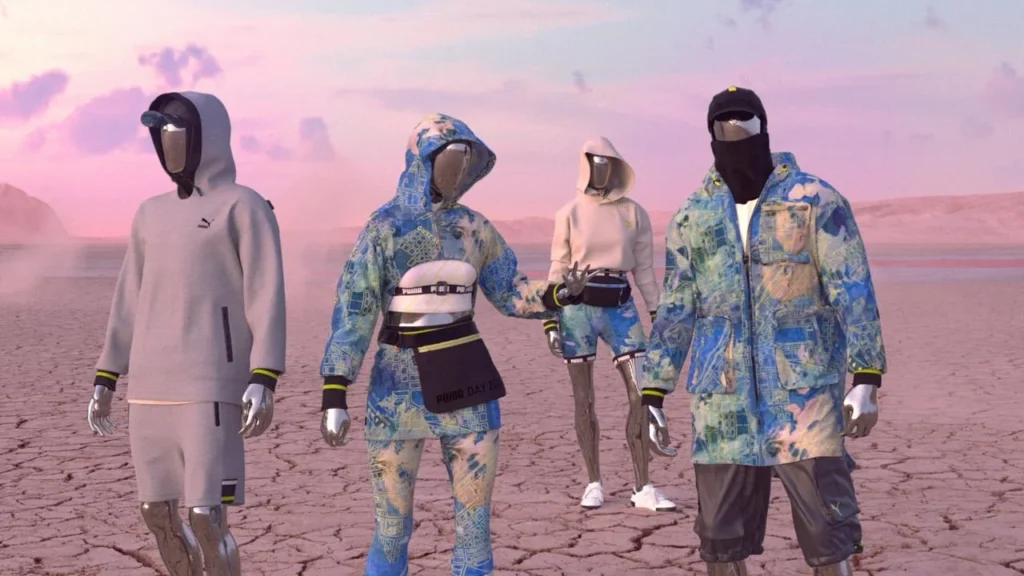
At its simplest, digital fashion is clothing designed to exist in virtual environments. These aren’t garments you can physically wear—they’re outfits you can use in photos, videos, games, or digital avatars.
It might sound a bit strange at first. Why would anyone pay for something they can’t physically own?
But if you think about it, we’ve already been doing something similar for years. Filters, edited photos, curated feeds—digital identity has always been a thing. Fashion is just catching up.
And somewhere in that shift lies the growing curiosity around Digital fashion aur virtual outfits ka rising trend, a phrase that’s popping up more often as people try to understand what’s really happening here.
Social Media Is Driving This More Than Anything
Let’s be honest—Instagram, TikTok, and similar platforms have changed how we approach style. Outfits are no longer just about real-life occasions. They’re also about how they look on screen.
There’s pressure to keep things fresh, different, and visually appealing. But constantly buying new clothes isn’t sustainable—for your wallet or the planet.
Digital fashion offers a workaround. You can “wear” something once for a post, experiment with bold designs, and move on—without adding clutter to your closet.
It’s like renting clothes, but without the logistics.
The Sustainability Angle (Which Is Actually Pretty Big)
Fast fashion has been under scrutiny for a while now. The environmental cost, the waste, the overproduction—it’s a lot.
Digital fashion, at least in theory, reduces that impact. No fabric, no shipping, no physical waste. Of course, there’s still energy consumption involved in creating and storing digital assets, but it’s significantly lower compared to traditional manufacturing.
For environmentally conscious consumers, this becomes an interesting alternative. Not a complete replacement, but a complementary option.
Gaming and Virtual Worlds Are Leading the Way
If this whole concept feels new, it’s probably because it’s just entering mainstream awareness. But in gaming, digital fashion has been around for years.
Players in games like Fortnite or The Sims have been buying skins, outfits, and accessories for their avatars for a long time. It’s a form of self-expression, even if it’s happening in a virtual space.
Now, that same idea is spilling over into social media and even professional spaces. Virtual meetings, digital events, online personas—all of these are creating demand for digital style.
But Is It Just a Passing Trend?
That’s the question many people are quietly asking.
On one hand, digital fashion feels innovative, exciting, and aligned with where technology is heading. On the other hand, there’s a lingering skepticism. Can something intangible really hold long-term value?
The answer probably lies somewhere in between.
Digital fashion won’t replace physical clothing. You’ll still need real clothes for real life—obviously. But it might carve out its own space, especially in digital interactions.
Think of it less as a replacement and more as an extension.
The Economics of Virtual Style
Interestingly, people are willing to spend real money on virtual outfits. Sometimes even more than they would on physical clothes.
Why? Because the value isn’t just in the item—it’s in visibility, uniqueness, and expression. A digital outfit that stands out can attract attention, engagement, and even opportunities, especially for influencers or creators.
It’s a different kind of economy. One that’s still evolving, still figuring itself out.
Accessibility and Creative Freedom
One of the underrated aspects of digital fashion is how inclusive it can be. Designers aren’t limited by physical constraints. They can create pieces that defy gravity, change color, or adapt in real time.
For users, it opens up a playground of creativity. You can experiment with styles you’d never try in real life. Bold, dramatic, unconventional—it’s all possible.
And maybe that’s part of the appeal. It lets people explore identity in ways that feel safe and flexible.
Where Do We Go From Here?
It’s hard to predict exactly how this will evolve. Technology is moving fast, and trends shift even faster.
But one thing feels certain—our relationship with fashion is changing. It’s no longer just about what we wear in the physical world. It’s also about how we present ourselves digitally.
And as those two worlds continue to blend, digital fashion will likely become less of a novelty and more of a norm.
A Quiet Shift in How We Define Style
At the end of the day, fashion has always been about expression. Whether it’s a simple cotton kurta or a futuristic digital gown, the intent remains the same—to say something about who you are.
Digital fashion doesn’t take that away. If anything, it expands the possibilities.
It might feel a bit unfamiliar right now, maybe even unnecessary to some. But then again, so did online shopping once upon a time.
And look where we are now.