If you had told someone a decade ago that kids—and let’s be honest, plenty of adults too—would one day compete professionally on their phones, they probably would’ve laughed it off. Gaming, back then, was either a hobby or something you did on a bulky console or PC.
Fast forward to today, and things look very different. You don’t need a high-end setup anymore. Just a decent smartphone, a stable internet connection, and a bit of skill—and suddenly, you’re part of something much bigger.
Mobile esports in India isn’t just growing. It’s exploding in ways that feel both exciting and, at times, a little overwhelming.
How Smartphones Became Gaming Arenas
The biggest reason behind this shift? Accessibility.
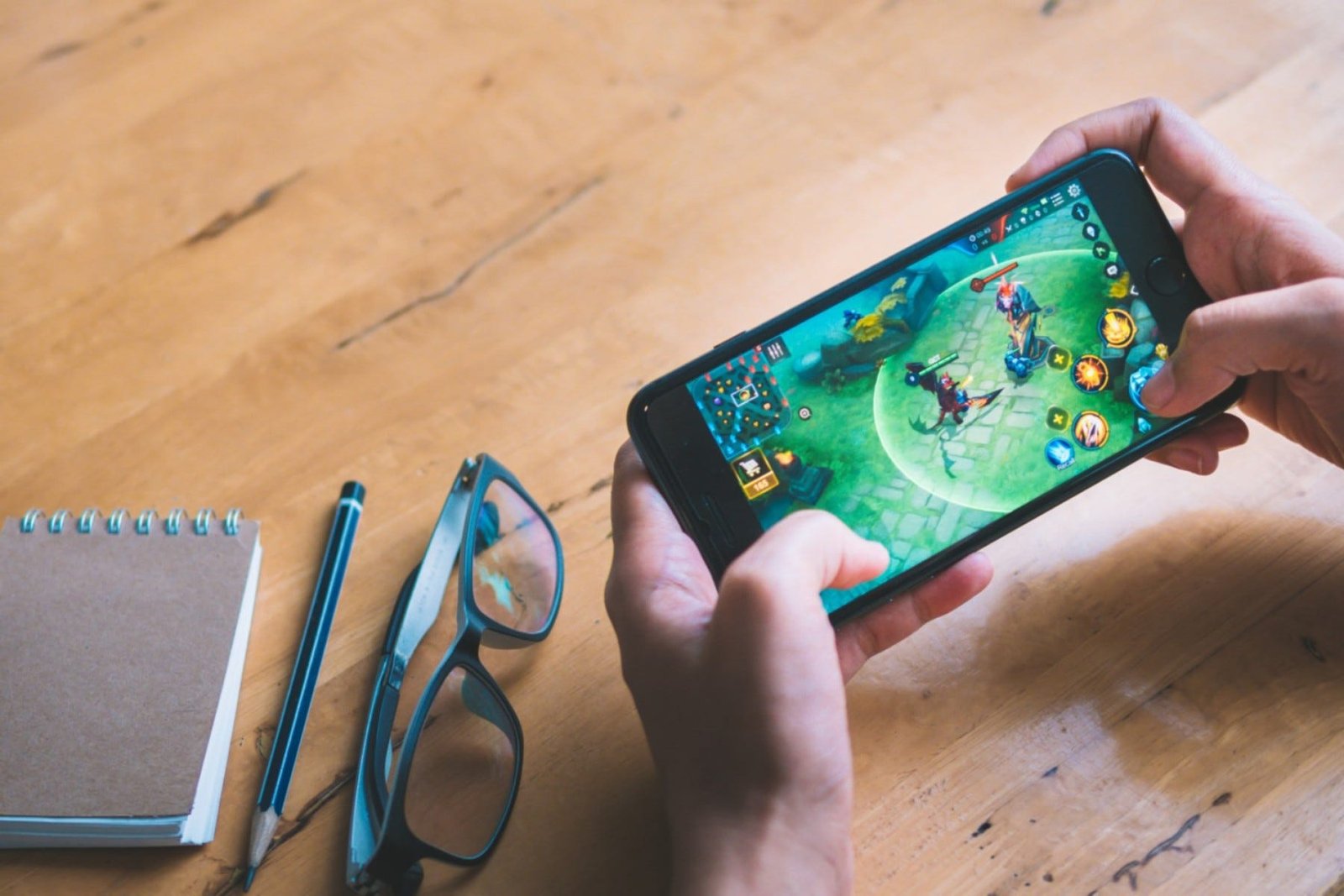
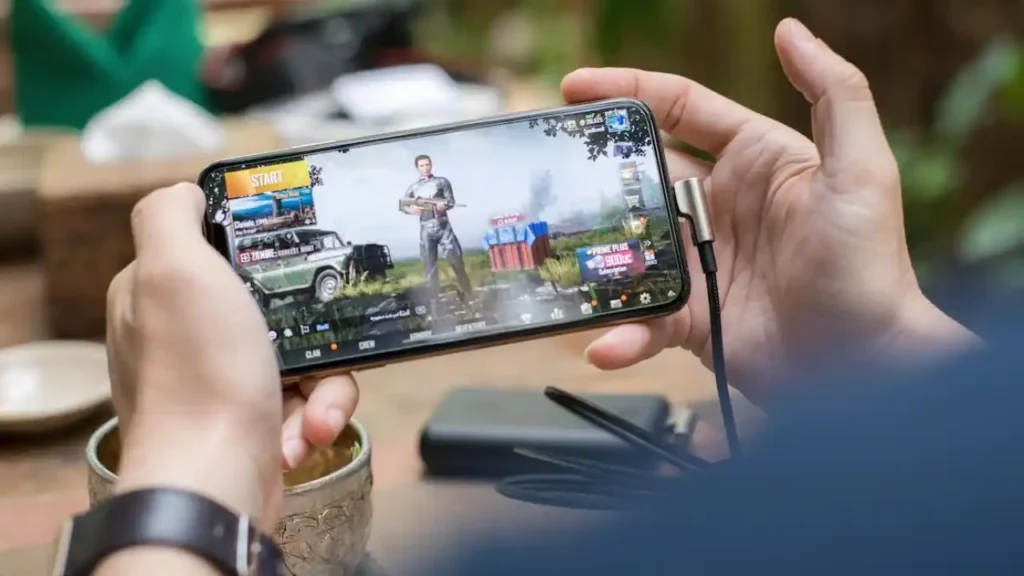
Smartphones are everywhere. From metro cities to smaller towns, almost everyone has one. And not just for calls or WhatsApp—these devices have quietly become powerful enough to run high-quality games.
Titles like PUBG Mobile and Free Fire turned casual players into competitive gamers almost overnight. Suddenly, gaming wasn’t limited to a niche audience. It became something anyone could try.
That ease of entry changed everything.
Data Revolution Played Its Part
We can’t talk about mobile esports in India without mentioning affordable internet. Thanks to cheaper data plans, online gaming became far more accessible.
Earlier, lag and connectivity issues were constant frustrations. Now, smoother gameplay is more common, even in semi-urban areas. This reliability has made competitive gaming not just possible, but enjoyable.
And when something becomes enjoyable, people stick around. They improve. They compete.
The Social Media Push
Another piece of the puzzle? Visibility.
Platforms like YouTube and Instagram have given gamers a stage. Streamers, content creators, and esports players are building audiences, sharing gameplay, and turning their passion into income.
You watch someone dominate a match, and you think, “Maybe I can do that too.”
That relatability is powerful. It turns spectators into participants.
Tournaments, Money, and Recognition
What started as casual play has now turned into something more structured.
Esports tournaments are offering real prize money. Sponsorships are coming in. Brands are noticing the engagement and jumping on board.
For many young players, this isn’t just a hobby anymore—it’s a potential career path.
Of course, it’s not easy. Competition is fierce, and only a small percentage reach the top. But the possibility itself is enough to fuel ambition.
The Big Question Behind the Growth
At some point, you can’t help but ask: India me mobile esports ka rapid growth kyun ho raha hai?
It’s not just one reason—it’s a combination. Affordable technology, better internet, social media influence, and changing perceptions around gaming all come together to create this momentum.
It’s like multiple gears turning at once, pushing the entire ecosystem forward.
Challenges That Still Exist
Despite all the growth, it’s not a perfect landscape.
There’s still a stigma around gaming in many households. Parents often see it as a distraction rather than a serious pursuit. The idea of “gaming as a career” is still being accepted slowly.
There are also concerns about screen time, addiction, and mental health. When something becomes this engaging, balance becomes important—and not everyone manages it well.
Infrastructure, too, has room for improvement. While mobile gaming is accessible, high-level competitive setups, coaching, and structured training aren’t as widespread yet.
A Cultural Shift in the Making
What’s interesting is how gaming is becoming part of everyday culture.
It’s not unusual now to hear conversations about strategies, rankings, or upcoming tournaments. Friends bond over matches. Online communities form around shared interests.
In many ways, mobile esports is doing what cricket did for previous generations—bringing people together, creating heroes, and sparking conversations.
Where This Is All Heading
Looking ahead, the growth doesn’t seem like it’s slowing down anytime soon.
More games will enter the market. Better devices will make gameplay smoother. Internet connectivity will continue to improve. And with that, the competitive scene will only get stronger.
We might also see more structured leagues, better regulation, and increased recognition from institutions.
The ecosystem is still evolving, still finding its footing—but the direction is clear.
More Than Just a Game
At its core, mobile esports is about more than just winning matches.
It’s about opportunity. Expression. Community.
For some, it’s a way to unwind after a long day. For others, it’s a serious pursuit, something they invest time and energy into.
And maybe that’s why it’s growing the way it is. Because it fits into people’s lives in different ways, without demanding too much upfront.
A New Kind of Playground
The playground has changed. It’s no longer just fields and courts—it’s screens, touch controls, and virtual battlegrounds.
And while that might feel unfamiliar to some, it’s completely natural to others.
Mobile esports in India isn’t just a trend. It’s a reflection of how technology, culture, and ambition are coming together in unexpected ways.
And honestly, we’re probably just getting started.