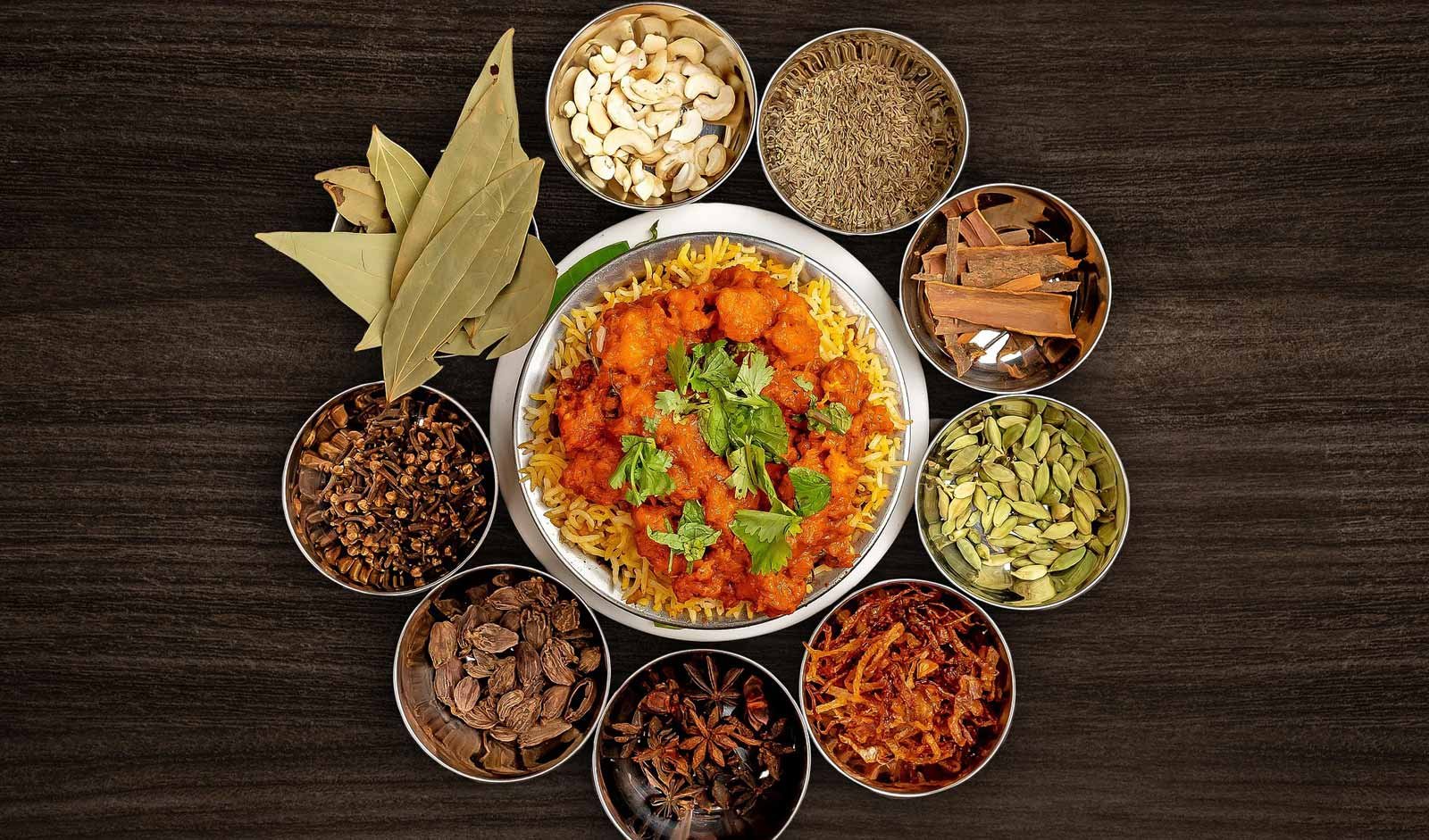

There’s a moment most of us face almost every day — standing in front of the fridge, scrolling through delivery apps, or just thinking, “What should I eat?” It sounds like a small question, but somehow it’s never that simple. Too many options, too little clarity.
That’s where a new kind of help is slowly stepping in. Not a friend, not a food blogger, but something a bit more… calculated. AI-based food recommendation apps are beginning to shape these everyday choices in ways we didn’t really notice at first.
From Random Cravings to Data-Driven Choices
Food decisions used to be driven by mood or habit. You’d eat what you felt like or what was easily available. But now, apps are learning from your behavior — what you order, when you order, how often you repeat certain meals.
It’s subtle. You don’t always realize it’s happening.
Open a food delivery app, and suddenly the top suggestions feel oddly accurate. Your usual weekend comfort food, your midweek “quick fix,” even that one dish you tried once and liked. It’s not magic. It’s data doing its thing.
Personalization That Feels… Almost Too Good
The real shift is in personalization. These apps aren’t just showing popular dishes anymore; they’re tailoring suggestions specifically for you.
And that’s where AI-based food recommendation apps ka future starts to get interesting. Imagine an app that knows not just what you like, but what your body might need — based on your activity level, health goals, even sleep patterns.
Sounds a bit futuristic, sure. But we’re already seeing early versions of this. Fitness apps integrating with food platforms, calorie tracking blending with meal suggestions… the lines are slowly blurring.
Health Meets Convenience
One of the biggest promises of AI in food recommendations is better health choices — without making life complicated.
Let’s be honest, most people don’t want to manually calculate calories or plan meals every day. It’s time-consuming, and frankly, a bit exhausting.
AI can step in here. Suggesting balanced meals, reminding you to hydrate, nudging you towards healthier options without being pushy. It’s like having a quiet assistant who knows your habits better than you do.
Of course, whether people follow those suggestions is another story.
The Comfort of Familiarity (and the Risk of Repetition)
There’s a flip side to all this personalization. When apps keep showing you what you already like, it’s easy to get stuck in a loop.
You order the same dishes again and again because they’re right there, at the top of your screen. Convenient? Yes. Limiting? Also yes.
Discovery — trying new cuisines, experimenting with flavors — can take a backseat. And that’s a bit of a loss, especially in a country as diverse in food as India.
Some platforms are trying to balance this by mixing familiar picks with new suggestions. It’s not perfect, but it’s a step.
Small Businesses and Visibility
Another interesting angle is how these recommendation systems impact small restaurants.
On one hand, AI can help niche or lesser-known places get discovered by the right audience. If your preferences align, you might stumble upon a hidden gem you’d never find otherwise.
On the other hand, algorithms often favor consistency and high ratings. Bigger brands with more data and reviews can dominate visibility, making it harder for smaller players to compete.
It’s a delicate balance — one that platforms are still figuring out.
Privacy and Data: The Quiet Trade-Off
All this personalization comes at a cost, though — your data.
What you eat, when you eat, how often you indulge… it’s all being tracked. Not in a creepy, obvious way, but it’s there.
For some people, that’s fine. For others, it raises questions. How much should an app know about your lifestyle? Where’s the line between helpful and intrusive?
There aren’t clear answers yet, but it’s a conversation that’s becoming more relevant as these technologies evolve.
The Human Element Still Matters
Despite all the tech, there’s something about food that remains deeply human. Recommendations from friends, family recipes, spontaneous cravings — they don’t follow algorithms.
AI can suggest, guide, even predict. But it can’t fully capture the emotional side of eating. The nostalgia of a home-cooked meal, the joy of discovering a new street food stall, the comfort of a familiar dish on a bad day.
And maybe it shouldn’t try to.
Looking Ahead: Smarter, but Hopefully Simpler
The future of AI-based food recommendation apps isn’t just about becoming smarter. It’s about becoming more intuitive, less intrusive.
Ideally, these tools will blend into daily life — helping when needed, stepping back when not. Offering suggestions without overwhelming choices. Supporting better decisions without taking control away.
That balance will define how useful they truly become.
Final Thoughts
At the end of the day, choosing what to eat is still a personal decision. AI can make it easier, faster, maybe even healthier — but it can’t replace the simple pleasure of deciding for yourself.
So the next time an app suggests your “perfect meal,” take a second. You can follow it… or you can ignore it and try something completely different.
Because sometimes, the best meals are the ones no algorithm saw coming.