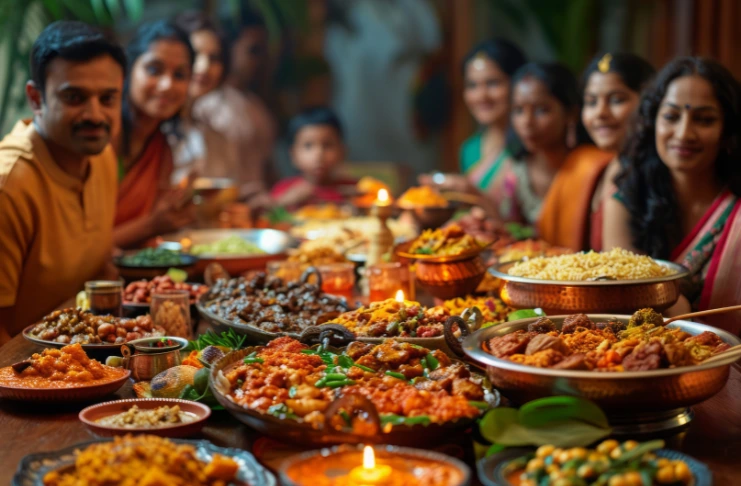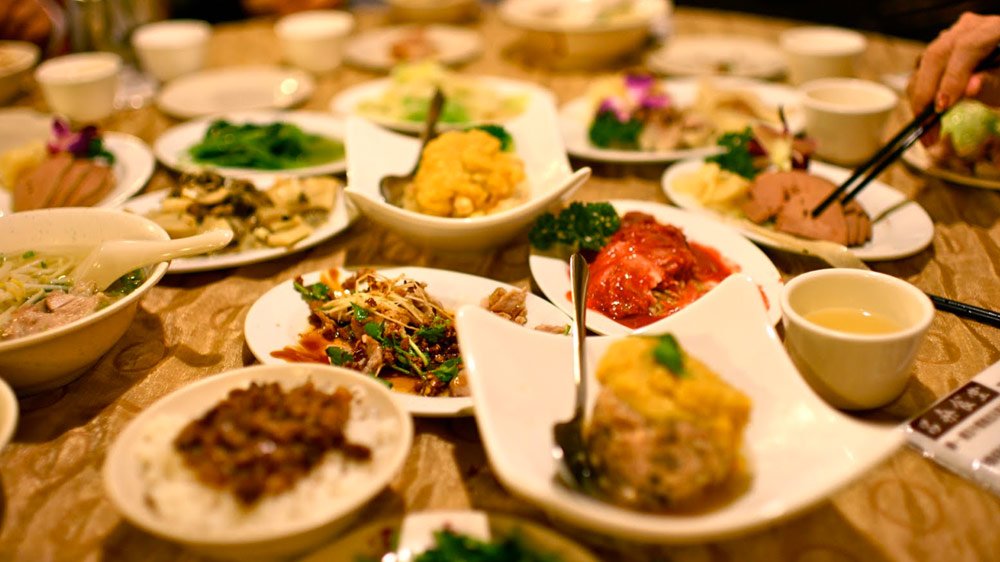
There’s something deeply comforting about sitting in a restaurant—the clatter of plates, that faint hum of conversation, the smell of something buttery drifting in from the kitchen. For a long time, that was the way to experience food outside home.
But then, almost quietly, things began to shift.
Now, you tap your phone, scroll a bit, and within minutes your favorite meal is on its way. No waiting, no traffic, no reservations. Just food, arriving at your doorstep like it’s always been part of the plan. Somewhere along this shift, a new player stepped in—the cloud kitchen.
What Exactly Are Cloud Kitchens?
At a basic level, cloud kitchens are restaurants without a dining space. No tables, no chairs, no waiters moving around balancing trays. Just a kitchen—focused entirely on preparing food for delivery.
They operate through apps like Zomato and Swiggy, where customers might not even realize they’re ordering from a cloud kitchen.
In fact, you could be ordering from one right now without knowing it.
And that’s kind of the point. These kitchens are built for efficiency, not visibility.
Why They’re Growing So Fast
The appeal is pretty straightforward. Starting a traditional restaurant in India is expensive. Rent, interiors, staff, licensing—it adds up quickly.
Cloud kitchens cut out a big chunk of those costs. No prime location needed. No fancy décor. Just a well-functioning kitchen and a strong delivery system.
For entrepreneurs, this lowers the barrier to entry. You don’t need massive capital to start. For customers, it often means more variety and competitive pricing.
It’s a win-win—at least on the surface.
Changing Consumer Habits
Let’s be honest—our eating habits have changed.
Busy schedules, long commutes, and the general pace of urban life have made convenience a priority. Cooking every day isn’t always practical. Going out isn’t always feasible.
So ordering in becomes the middle ground.
Cities like Delhi and Bangalore have especially embraced this shift. Late-night cravings, office lunches, weekend indulgences—it all flows through delivery apps now.
And cloud kitchens are designed to meet that demand, almost perfectly.
The Big Question Everyone Is Asking
With this rapid growth, one question keeps popping up: Cloud kitchens ka boom – kya yeh traditional restaurants ko replace karenge?
It’s a fair question. When something grows this quickly, it naturally feels like it might take over everything else.
But the answer isn’t as simple as yes or no.
What Traditional Restaurants Still Offer
Despite everything, traditional restaurants haven’t lost their charm.
There’s an experience they provide that a delivery box simply can’t. Celebrations, dates, family dinners, business meetings—these moments need a space, an atmosphere.
You don’t just go to a restaurant for food. You go for the feeling.
There’s also the element of trust. Seeing the place, interacting with staff, observing hygiene—it builds a different kind of confidence.
Cloud kitchens, by nature, are more hidden. That invisibility can sometimes make people hesitant.
Where Cloud Kitchens Really Shine
At the same time, cloud kitchens excel in areas where traditional setups struggle.
Speed. Variety. Flexibility.
They can experiment with multiple brands from a single kitchen. One setup might serve biryani, pizza, and desserts under different names. That kind of adaptability is hard for a dine-in restaurant.
They’re also quick to respond to trends. If something’s popular, they can add it to the menu almost instantly.
And let’s not ignore pricing. Lower overhead often translates to better deals for customers.
The Challenges Beneath the Surface
It’s not all smooth sailing, though.
Competition is intense. Since entry is easier, more players are entering the space. Standing out becomes difficult.
Customer loyalty is also fragile. With so many options just a swipe away, people switch brands quickly. One bad experience, and they move on.
There’s also dependence on delivery platforms. Algorithms, commissions, visibility—these factors can heavily impact a cloud kitchen’s success.
A Future of Coexistence
If you step back and look at the bigger picture, it doesn’t feel like a battle anymore.
It feels more like coexistence.
Cloud kitchens and traditional restaurants serve different needs. One focuses on convenience and efficiency. The other on experience and connection.
Both have their place.
In fact, many established restaurants are now launching their own cloud kitchen brands. They’re not resisting the change—they’re adapting to it.
The Way We Eat Is Evolving
Food has always been more than just sustenance. It’s culture, emotion, habit. And like everything else, it evolves.
Cloud kitchens are part of that evolution. They reflect how our lifestyles are changing—faster, more digital, more convenience-driven.
But they don’t erase what came before.
A Quiet Transformation, Not a Replacement
So, will cloud kitchens replace traditional restaurants?
Probably not.
What they will do, though, is reshape expectations. Make food more accessible. Encourage innovation. Push traditional setups to rethink their approach.
And maybe that’s enough.
Because sometimes, progress isn’t about replacing the old—it’s about making space for something new alongside it.