
Most of us spend a surprising amount of time indoors. Whether we’re working from home, relaxing with family, cooking dinner, or simply trying to get a good night’s sleep, the walls around us become the backdrop to everyday life. Yet, while many people pay close attention to outdoor weather or pollution reports, they rarely stop to think about the air they’re actually breathing inside their own homes.
The truth is, the quality of indoor air can quietly influence comfort, health, energy levels, and even sleep. It’s one of those things you don’t really notice until something feels off. Maybe allergies seem worse than usual, there’s a lingering smell that never disappears, or dust seems to return no matter how often you clean. These little clues are often worth paying attention to.
Looking Beyond What You Can See
Clean floors and tidy furniture don’t always mean clean air. In fact, many contaminants are completely invisible. Tiny particles can float through a room for hours without anyone realizing they’re there.
That’s why conversations around indoor air quality have become much more common in recent years. Families are becoming aware that what circulates through their homes can affect far more than comfort. Better air often means fewer allergy flare-ups, reduced irritation, and a fresher living environment overall. It’s not about chasing perfection—it’s about creating a healthier space for everyday living.
Everyday Habits Can Affect the Air
A typical home generates more airborne particles than most people expect. Cooking releases grease and smoke. Candles and fireplaces create fine particles. Pets leave behind dander, while shoes can track pollen and dirt indoors. Even cleaning products, especially those with strong fragrances, may leave chemicals suspended in the air for longer than you’d imagine.
On top of that, modern homes are built to be energy efficient, which means they’re often tightly sealed. While this helps reduce heating and cooling costs, it also limits natural airflow. Without enough ventilation, stale air simply keeps circulating.
Understanding What You’re Breathing
Not every airborne particle is dangerous, but some deserve attention. Dust mites, mold spores, pollen, bacteria, smoke, and chemical vapors all fall under the broad category of that may accumulate indoors over time.
Some people barely notice their presence, while others experience headaches, coughing, itchy eyes, or persistent allergies. Children, older adults, and individuals with asthma or respiratory conditions often feel the effects more quickly.
The encouraging part is that many of these issues can be reduced through simple lifestyle changes and better home maintenance.
Fresh Air Still Matters
Opening a window sounds almost too simple, but it remains one of the easiest ways to improve indoor air circulation when outdoor conditions allow. Even fifteen or twenty minutes of fresh airflow each day can make a noticeable difference.
Kitchen exhaust fans should always be used while cooking, and bathroom fans help remove excess moisture before mold has a chance to develop. If you have a laundry room or basement, keeping those areas dry also contributes to healthier air throughout the home.
Small daily habits often produce bigger long-term results than expensive one-time solutions.
Choosing Smarter Ways to Filter the Air
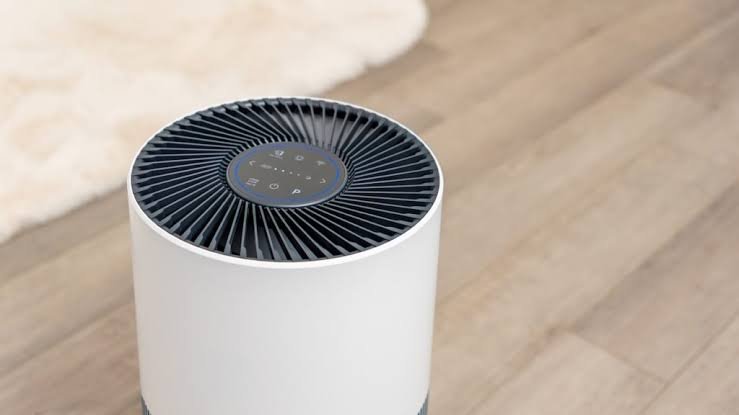
Technology has improved significantly over the last decade, making it easier for homeowners to keep indoor environments cleaner without constant effort. Modern air filtration systems can capture fine dust, pollen, pet dander, and many microscopic particles that ordinary filters simply miss.
That doesn’t necessarily mean every household needs the most advanced system available. The right solution depends on the home’s size, local climate, family health concerns, and existing HVAC equipment. Sometimes upgrading to a higher-quality filter or replacing filters on schedule delivers noticeable improvements without major renovations.
Consistency usually matters more than complexity.
Don’t Forget About Humidity
Humidity often gets overlooked, but it plays a surprisingly important role in how comfortable your home feels.
When indoor air becomes too dry, skin, eyes, and nasal passages can become irritated. On the other hand, excessive moisture creates an ideal environment for mold growth and dust mites.
Most experts recommend maintaining indoor humidity somewhere between 30% and 50%. A simple hygrometer, which costs very little, can help monitor moisture levels and let you know whether a humidifier or dehumidifier might be useful.
Houseplants: Helpful, But Not a Complete Solution
Houseplants have earned a reputation for improving indoor environments, and they certainly make rooms feel calmer and more inviting. While some research suggests certain plants can absorb small amounts of airborne compounds, their real-world impact on overall indoor air is relatively limited.
That doesn’t mean they aren’t worthwhile. Plants air pollutants contribute to a pleasant atmosphere and may encourage people to care more about their living spaces. Just don’t rely on a few potted plants alone if you’re trying to solve ongoing air quality concerns.
Maintenance Makes a Bigger Difference Than Most People Expect
Sometimes the simplest maintenance tasks have the greatest impact.
Replacing HVAC filters on time, cleaning air vents, vacuuming with a HEPA-equipped vacuum, washing bedding regularly, and reducing clutter all help minimize dust buildup. Even checking for hidden water leaks can prevent future mold problems before they become expensive repairs.
These aren’t glamorous jobs, but together they create a noticeably fresher home over time.
A Healthier Home Starts With Small Choices
Improving the air inside your home doesn’t require a complete remodel or expensive equipment from day one. It often begins with awareness—understanding what affects your indoor environment and making gradual improvements that fit your lifestyle.
Open the windows when the weather cooperates. Maintain your HVAC system. Replace filters before they become clogged. Keep moisture under control, and pay attention to the little signs your home gives you.
Clean indoor air isn’t about achieving perfection. It’s about creating a space where you and your family can breathe a little easier, sleep a little better, and simply feel more comfortable every single day. Those small choices add up, and over time, they can make your home feel healthier in ways that are difficult to measure but easy to appreciate.