Water has a quiet way of shaping everyday life. It’s there when you brew your first cup of coffee, wash fresh vegetables before dinner, fill your child’s water bottle for school, or simply reach for a refreshing glass after a long day. Because it’s always available, it’s easy to overlook its importance—until something changes.
Maybe the water develops an unusual taste. Perhaps the ice cubes carry a faint odor, or your favorite tea just doesn’t taste the way it used to. These small changes often lead homeowners to ask an important question: Is there a better way to improve the water we use every day?
For many households, the answer is reverse osmosis. It has become one of the most trusted residential water purification methods because it combines advanced filtration with everyday convenience. While no single solution fits every home, reverse osmosis remains a dependable option for families who want consistently fresh, high-quality water at the kitchen sink.
Why Water Quality Matters More Than We Realize
Most people associate water quality with drinking, but that’s only part of the picture.
Water is used in cooking, preparing coffee and tea, rinsing fruits and vegetables, making ice, mixing baby formula, and countless other daily tasks. The quality of that water quietly influences everything it touches.
Even municipal water that meets public safety standards can contain dissolved minerals, treatment chemicals, or naturally occurring substances that affect taste and odor. Those compounds aren’t always harmful, but they can change how water feels and how food and beverages taste.
Improving water quality often improves the entire kitchen experience.
How Reverse Osmosis Works
Despite its technical name, reverse osmosis follows a surprisingly straightforward process.
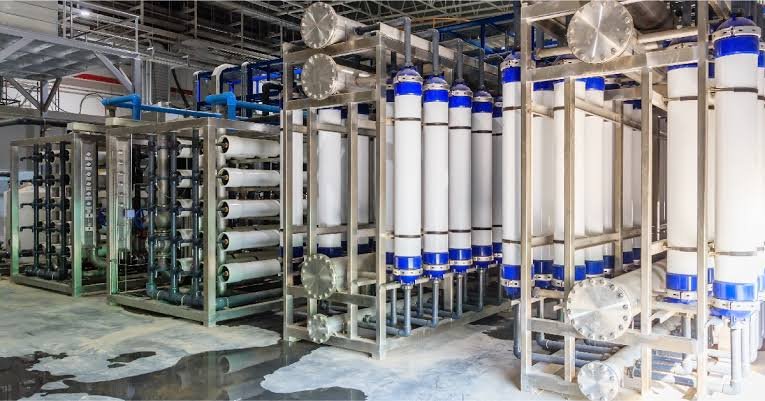
Water passes through multiple stages of filtration before reaching a specialized membrane. That membrane allows water molecules to pass while reducing many dissolved substances that may be present in the incoming supply.
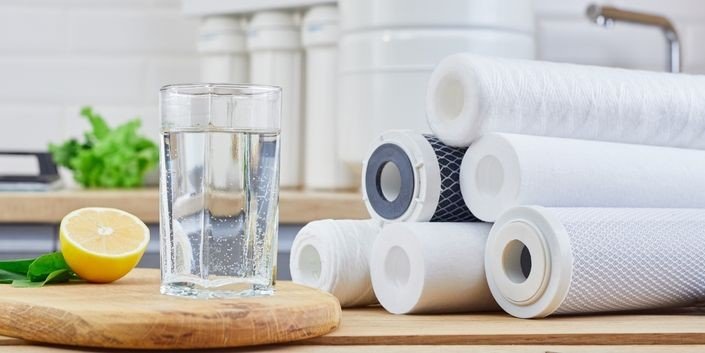
Most reverse osmosis systems also include sediment filters and activated carbon filters before the membrane itself. These preliminary stages help reduce particles, chlorine, and compounds responsible for unpleasant tastes or odors.
The result is water that many homeowners describe as cleaner, lighter, and noticeably more refreshing.
Better Water Creates Better Meals
One of the first benefits families notice isn’t necessarily the water itself—it’s the food.
Coffee develops a smoother flavor because unwanted tastes no longer compete with the roasted beans. Tea becomes brighter and more aromatic. Homemade soups taste cleaner, while rice, pasta, and vegetables absorb fresher water during cooking.
Even ice cubes improve, producing colder drinks without subtle chemical flavors or lingering odors.
These changes aren’t dramatic enough to surprise everyone instantly, but after a few weeks, many homeowners find it difficult to imagine returning to untreated tap water.
Choosing the Right Filtration Solution
Not every household has identical water.
Homes supplied by municipal utilities face different challenges than private wells. Some areas struggle primarily with chlorine taste, while others deal with elevated mineral content, sediment, or naturally occurring contaminants.
That’s why selecting the right water filtration system should always begin with understanding your local water conditions.
Professional water testing helps identify exactly what’s present in your supply, allowing homeowners to choose equipment that addresses actual concerns instead of relying on assumptions or marketing claims.
Making decisions based on facts usually produces much better long-term results.
Why Families Appreciate Reverse Osmosis
People often purchase reverse osmosis because they want better tasting water.
They continue using it because of everything else it improves.
Children are often more willing to drink plain water. Reusable bottles become more appealing than bottled beverages. Guests compliment the coffee without knowing why it tastes better. Even simple things like making lemonade or filling a kettle feel more satisfying.
Having reliable access to clean drinking water quietly changes everyday habits in ways people rarely anticipate before installation.
Sometimes the biggest benefit isn’t the equipment itself—it’s the confidence that comes with every glass.
Convenience Makes Everyday Life Easier
One overlooked advantage of reverse osmosis is convenience.
Instead of storing heavy cases of bottled water or constantly refilling countertop pitchers, filtered water is available instantly from a dedicated faucet whenever it’s needed.
That saves refrigerator space, reduces plastic waste, and eliminates regular trips to purchase bottled water.
For busy households, those practical conveniences often become just as valuable as the improved water quality.
The best home upgrades usually simplify daily routines rather than adding extra work.
Maintenance Isn’t as Difficult as Many Expect
Some homeowners hesitate because they assume advanced filtration systems require complicated maintenance.
Modern reverse osmosis units are generally designed with simplicity in mind.
Most maintenance involves replacing filters at recommended intervals and occasionally servicing the membrane according to manufacturer guidelines. Many systems even include reminders that indicate when replacements are due.
Routine care typically requires only a small amount of time while helping maintain consistent performance year after year.
Like replacing an HVAC filter or changing smoke detector batteries, it eventually becomes another regular part of home maintenance.
Looking Beyond the Initial Investment
Although installing reverse osmosis requires an upfront investment, many homeowners find the long-term value worthwhile.
Reduced bottled water purchases, greater convenience, improved cooking experiences, and increased confidence in household drinking water all contribute to ongoing benefits.
When viewed over several years, the cost often becomes surprisingly reasonable compared to continually buying bottled water or replacing smaller portable filters.
More importantly, the improvement is something families experience every single day rather than only occasionally.
That’s what makes it feel less like an expense and more like an investment in everyday comfort.
Final Thoughts
Water quietly influences nearly every moment spent in the kitchen, from preparing breakfast to cooking dinner and filling a simple glass before bed. Because it’s such a constant part of life, improving its quality creates benefits that extend much further than most people expect.
Reverse osmosis remains one of the most respected residential filtration technologies because it combines dependable purification with practical convenience. When selected based on proper water testing and maintained according to manufacturer recommendations, it provides years of reliable performance and consistently enjoyable drinking water.
Sometimes the most meaningful home improvements aren’t the ones everyone notices immediately. They’re the ones that quietly make ordinary routines better—one meal, one cup of coffee, and one glass of water at a time.