
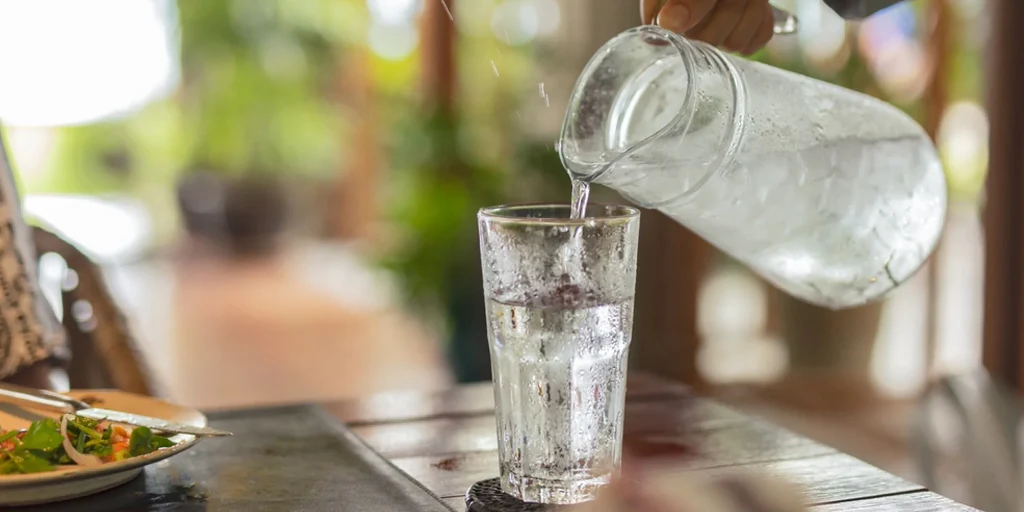
There’s something oddly comforting about pouring a glass of water straight from the tap. It’s quick, familiar, and something most of us never really think about—until one day it tastes… different. Maybe it has a faint metallic edge, maybe it smells a little like chlorine, or maybe it just feels flat. Whatever changes, your senses notice it long before you start wondering why.
Water is one of those things we expect to stay consistent, but the truth is, it rarely does. Small changes in weather, treatment methods, aging pipes, or even seasonal shifts can subtly affect the water coming into your home. Most of the time these changes aren’t dangerous, but they can certainly change your experience. Understanding why it happens makes it much easier to decide whether it’s simply temporary or something worth addressing.
Water Is Never Exactly the Same Every Day
Many people assume that tap water is identical throughout the year. In reality, water sources constantly change. Heavy rainfall, drought conditions, maintenance work, or changes in treatment processes can all influence the water that reaches your faucet.
Municipal systems work hard to deliver safe drinking water, but “safe” doesn’t necessarily mean it will always taste the way you expect. Natural minerals, disinfectants, and even the distance water travels through pipelines all contribute to the final glass sitting on your kitchen counter.
That’s why two neighboring cities can have completely different tasting water, even when both meet the same safety standards.
Why Taste Matters More Than People Think
People often dismiss taste as nothing more than a personal preference, yet it actually plays a big role in how much water we drink. If water tastes fresh and clean, we’re naturally more likely to stay hydrated throughout the day.
Many homeowners invest in filtration not because their water is unsafe, but because they want to enjoy the true flavor of your water without the lingering aftertaste that sometimes accompanies treatment chemicals or naturally occurring minerals.
Good-tasting water also improves coffee, tea, soups, and even homemade ice cubes. It’s one of those small quality-of-life upgrades that becomes surprisingly noticeable once you’ve experienced it.
Understanding How Municipal Water Is Treated
Modern public water supplies go through extensive treatment before reaching homes. Chlorine or chloramine is commonly added to destroy harmful bacteria and viruses, making water significantly safer for millions of families.
While these disinfectants perform an important job, they can also leave behind flavors or aromas that some people find unpleasant. Add naturally occurring calcium, magnesium, iron, or sulfur into the mix, and every region develops its own unique water profile.
It’s a balancing act. Water utilities prioritize public health first, while taste naturally becomes a secondary consideration.
What Causes Strange Smells or Flavors?
If you’ve ever filled a glass and immediately noticed something seemed “off,” there are several possible explanations.
A chlorine smell often indicates recently treated water. Metallic flavors may point toward aging household plumbing or naturally occurring minerals. Sulfur-like odors sometimes come from hydrogen sulfide, while earthy tastes can develop from seasonal algae growth in source water.
Occasionally, homeowners experience a noticeable taste and odor after maintenance work on local water lines. In many cases, flushing household taps for several minutes helps clear freshly disturbed sediments.
Still, if unusual flavors suddenly appear and persist for days, it’s always worth contacting your local utility or arranging professional water testing for peace of mind.
Your Home Plumbing Plays a Bigger Role Than You Think
Interestingly, not every water issue starts at the treatment plant.
Older galvanized pipes, corroded copper plumbing, aging water heaters, or even neglected faucet aerators can all influence the quality of water after it enters your home. Sometimes the municipal supply is perfectly fine, but the plumbing inside the house changes how the water tastes before it reaches your glass.
That’s why two houses on the same street can have surprisingly different drinking water experiences.
Routine maintenance often goes a long way toward preserving water quality inside the home.
Small Changes Can Make a Big Difference
Improving water quality doesn’t always require a major renovation.
Simple activated carbon filters remove many chlorine-related tastes and odors. Reverse osmosis systems reduce a wide range of dissolved contaminants, while whole-house filtration systems treat water before it reaches every faucet.
Even something as straightforward as replacing an old refrigerator filter on schedule can noticeably improve drinking water.
Choosing the right solution depends on what’s actually affecting your water, which is why testing before buying expensive equipment is usually the smartest approach.
Pay Attention to What Your Senses Are Telling You
Our senses are remarkably good at recognizing changes.
If your water suddenly develops a new smell, unusual color, cloudy appearance, or unexpected taste, don’t ignore it simply because it might disappear later. Most changes turn out to be harmless, but occasionally they reveal plumbing issues, worn-out fixtures, or treatment changes worth investigating.
Keeping an eye—or rather, a nose and palate—on your drinking water helps you catch potential problems early instead of months down the road.
Clean Water Is About Confidence, Too
At the end of the day, drinking water isn’t only about laboratory test results. It’s about confidence. You want to fill a glass without hesitation, cook meals without worrying about strange flavors, and know your family is enjoying water that tastes as good as it should.
Whether you rely on municipal water or a private well, paying attention to changes, scheduling occasional water testing, and using appropriate filtration when needed can dramatically improve both quality and peace of mind.
Water touches nearly every part of daily life—from your morning coffee to dinner preparation and everything in between. When it tastes clean and refreshing, it’s something you barely think about. And honestly, that’s probably exactly how it should be.