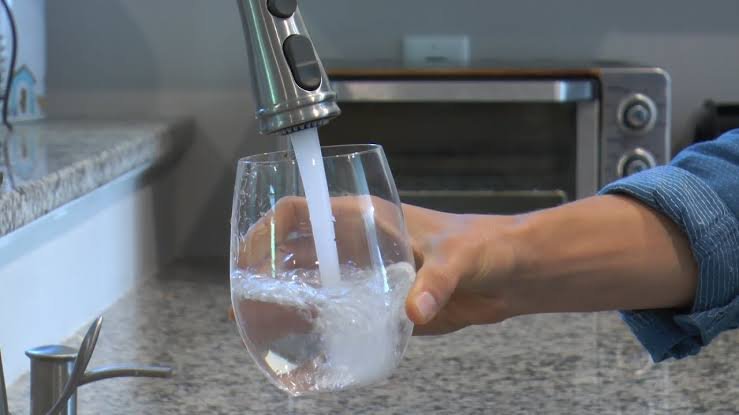
Clean drinking water is something most households expect to have whenever they turn on the tap. Yet water can contain substances that aren’t visible, don’t have an obvious smell, and may not be detected by taste alone. That’s why understanding water treatment is worth the effort, particularly when there are concerns about contaminants or private water sources.
Modern filtration technologies offer several ways to improve drinking water. Reverse osmosis is one of the better-known options, while microbiological treatment can provide an additional layer of protection when microorganisms are a concern.
What Does Reverse Osmosis Actually Do?
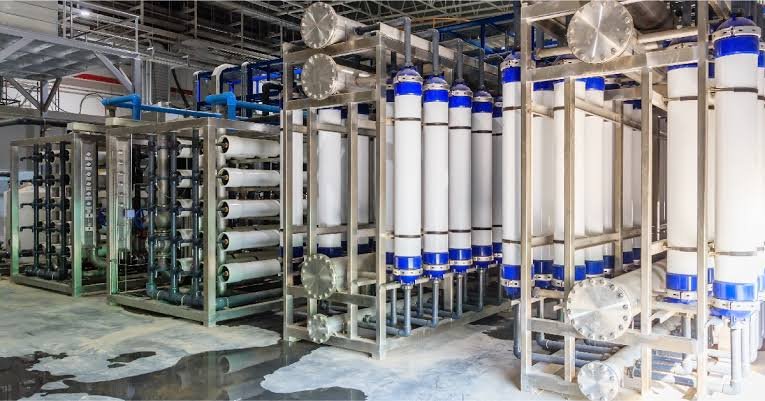
A reverse osmosis water treatment system uses a semipermeable membrane to separate water from many dissolved substances.
In a typical household setup, water passes through several stages before reaching the RO membrane. Pre-filters may remove sediment and reduce chlorine, helping protect the membrane. The RO stage then reduces many dissolved substances, and additional filtration may be used afterward to improve taste.
RO is commonly installed beneath a kitchen sink for drinking and cooking water, although larger systems can be designed for broader household use.
Why Testing Matters Before Choosing Treatment
It’s easy to assume that a sophisticated filter is automatically the best choice. It isn’t.
Different water supplies contain different substances, and treatment technologies have specific capabilities. A water test can provide useful information about hardness, pH, iron, microorganisms, dissolved solids, and other characteristics.
If testing identifies a particular contaminant, you can then look for equipment that has documented performance for that substance.
This approach is much more sensible than buying a system based on a long list of marketing claims.
Understanding Harmful Contaminants
The phrase harmful contaminants covers a wide range of substances, including certain microorganisms, metals, chemicals, and other unwanted materials.
Not every contaminant requires the same treatment. A carbon filter may help with chlorine taste and certain organic compounds, while reverse osmosis can reduce many dissolved substances. UV treatment is commonly used to inactivate certain microorganisms.
That’s why a multi-stage system can sometimes be useful. Different treatment stages can address different categories of water-quality concerns.
Still, more stages aren’t automatically better. Every component should have a purpose.
The Role of Microbiological Purification
Chemical contaminants and microorganisms are two different treatment challenges.
Bacteria, viruses, and certain protozoa can enter water through environmental contamination, damaged wells, flooding, or other pathways. Private well owners should be particularly attentive to microbiological testing because groundwater conditions can change.
A microbiological drinking water purification system may combine technologies designed to address microorganisms with other filtration stages.
For example, a system might use sediment filtration followed by UV disinfection. Another configuration could incorporate membrane filtration, depending on the water source and treatment goals.
The correct setup depends on what the testing actually finds.
Filtration Isn’t Always Disinfection
This distinction is easy to overlook.
A physical filter can remove particles from water, but that doesn’t necessarily mean it inactivates bacteria or viruses. Similarly, a carbon filter can improve taste and odor without being designed to provide microbiological disinfection.
UV treatment works differently. It uses ultraviolet energy to inactivate susceptible microorganisms rather than physically removing them from the water.
Knowing the difference between filtration and disinfection helps prevent false confidence.
Why Pre-Filtration Can Be Important
Water entering a treatment system may contain sediment, iron, or other substances that affect downstream equipment.
Pre-filtration can help remove suspended particles before water reaches sensitive treatment stages. In UV systems, clearer water can allow ultraviolet energy to reach microorganisms more effectively.
RO membranes also benefit from appropriate pre-treatment because certain substances can reduce membrane performance or shorten its service life.
A well-designed treatment system is therefore often about the sequence as much as the individual technologies.
Point-of-Use Treatment Is Often Practical
For many homes, the kitchen is the most important place to provide highly treated water.
A point-of-use RO system can supply treated water for drinking and cooking without requiring every gallon used for showers, toilets, and laundry to pass through the membrane.
This can reduce equipment size and operating costs while still providing highly treated water where it matters most.
Whole-house treatment may be more appropriate when the water problem affects the entire property, but it isn’t automatically necessary for every household.
Maintenance Is Part of Water Treatment
Even advanced equipment needs regular care.
RO membranes and pre-filters have service lives. UV lamps need replacement according to manufacturer recommendations. Carbon cartridges eventually become saturated.
A system may continue to produce clear-looking water even when a component is overdue for replacement, which makes following the maintenance schedule particularly important.
Before purchasing, ask about filter costs, replacement intervals and the availability of genuine replacement parts.
Don’t Judge a System by Its Price
The most expensive water purifier isn’t necessarily the best one.
A better system is one that is appropriately sized, independently tested where applicable, suited to the water chemistry, and practical to maintain.
Look for clear information about contaminant reduction, flow rate, filter life and operating requirements. If a manufacturer makes a specific removal claim, check whether it is supported by meaningful testing or certification.
A little skepticism is healthy when you’re shopping for water equipment.
Better Water Starts With the Right Treatment
There isn’t a universal filtration system that solves every water-quality problem. Reverse osmosis can be highly useful for reducing many dissolved substances, while microbiological treatment can address concerns involving microorganisms when properly designed.
The smartest approach is to start with a water test, identify the actual concerns, and then combine technologies only where they serve a clear purpose.
Good drinking-water treatment shouldn’t be about collecting the most filters. It should be about creating a reliable, sensible system that addresses the contaminants that matter and remains practical to maintain.
Once the right setup is in place, water treatment can quietly do its job in the background—giving your household one less thing to worry about every time someone reaches for a glass of water.