Most of us don’t think much about water until it starts causing trouble. Maybe the shower screen is covered in white marks again, the kettle develops a crusty layer at the bottom, or drinking water has a taste that makes you reach for a bottled alternative. These little frustrations can become part of the daily routine, but they may also be signs that your home’s water deserves a closer look.
The tricky part is knowing what to do about it. Walk into the water treatment market and you’ll find filters, softeners, purification systems, and plenty of products promising cleaner, fresher water. Some can be genuinely useful. Others may offer features your household doesn’t really need.
A better starting point is to understand the water you have, decide what you want to improve, and then choose equipment that fits your home and budget.
Start by Understanding Your Water
Water quality isn’t the same everywhere. The source, local geology, municipal treatment, and condition of household plumbing can all influence what comes through the tap. Some homes deal mainly with hardness, while others may have sediment, unpleasant tastes, iron staining, or concerns about particular contaminants.
Hard water is especially common in areas where groundwater contains elevated levels of calcium and magnesium. These minerals can leave deposits on taps, showerheads, and glassware. They may also build up inside water heaters and appliances, making cleaning more difficult and potentially reducing equipment efficiency over time.
Other problems aren’t so easy to spot. Clear water can still contain dissolved substances, and a strange smell doesn’t automatically mean the water is unsafe. If you’re unsure about your supply, testing can provide useful information. Depending on the source and the concern, testing may include hardness, pH, iron, dissolved solids, bacteria, or specific contaminants.
That information matters because different treatment methods solve different problems. Buying equipment before identifying the issue can mean spending money without getting the result you expected.
When Hard Water Makes Everyday Chores Harder
You might notice hard water first when cleaning the bathroom. Soap seems to leave a film, glass doors develop stubborn spots, and faucets need wiping more often than they should. Laundry can feel rough, too, although detergent choice, washing conditions, and fabric type also play a role.
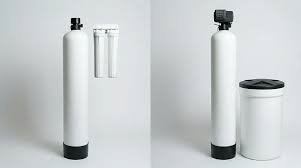
For households experiencing these problems, water softeners may offer a practical solution. Conventional ion-exchange softeners reduce hardness by exchanging calcium and magnesium ions for sodium or potassium ions. The system periodically regenerates to restore its capacity, which means it needs the appropriate salt or regeneration material and routine maintenance.
Softening can help reduce scale formation, improve soap performance, and make some cleaning tasks easier. However, a softener isn’t a complete drinking-water purifier. It doesn’t remove every possible contaminant, so additional treatment may be needed if testing identifies a separate concern.
It’s also worth considering how much water your household uses. A system that’s too small may struggle to meet demand, while an oversized model can cost more than necessary. A water professional can help estimate the right capacity based on household size, water hardness, and typical usage.
Improving Drinking Water at the Kitchen Tap
Not every household needs to treat all the water entering the property. Sometimes the main concern is the water used for drinking, cooking, tea, or coffee. In that situation, a point-of-use filter installed near the kitchen sink may be enough.
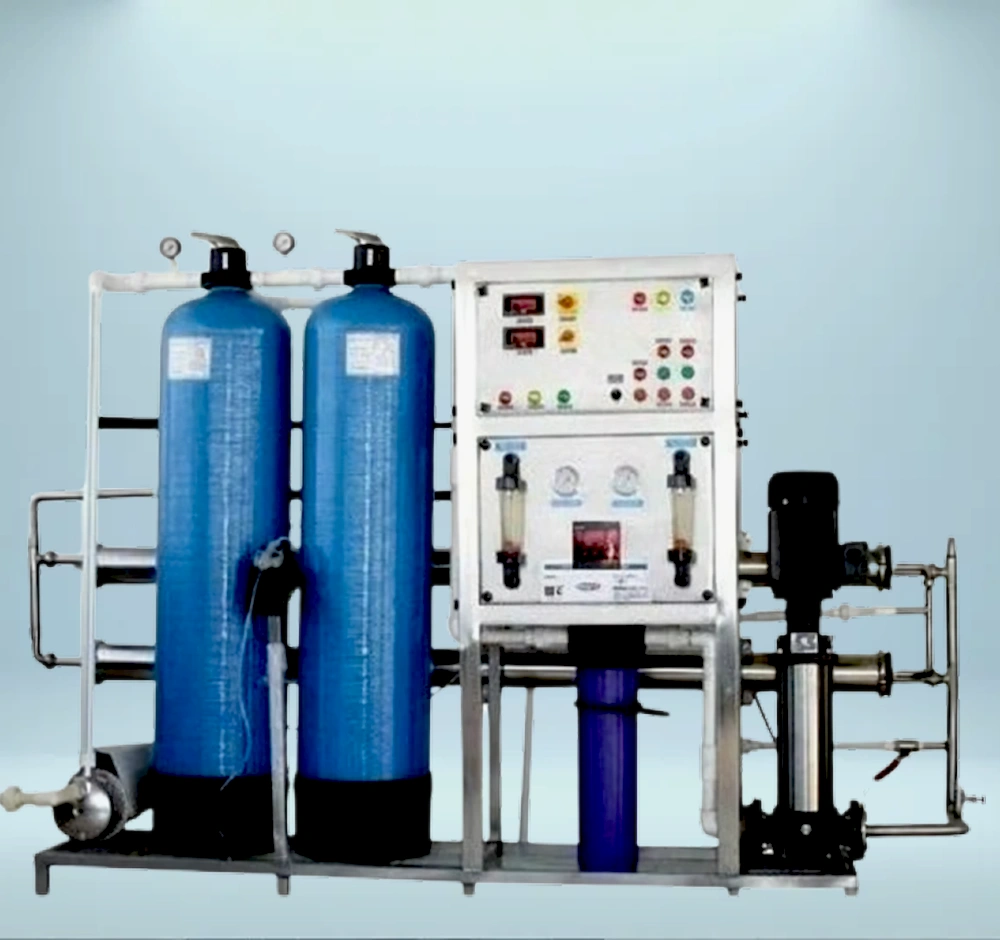
Reverse osmosis is one option to consider when testing identifies dissolved substances that a suitable system is designed to reduce. These systems use pressure to move water through a semipermeable membrane, which can reduce many dissolved salts and certain other contaminants. Actual performance depends on the unit’s design, condition, and certification.
For homeowners exploring reverse osmosis units, it’s important to compare more than the purchase price. Check which contaminants the model is certified to reduce, how frequently filters and membranes need replacement, and whether the system has enough storage capacity for your household. Conventional systems may also send some water to the drain during production, although efficiency varies between models.
Reverse osmosis isn’t automatically the right choice for every home. If the main issue is sediment or an unpleasant chlorine taste, a simpler certified filter may be sufficient. The best system is the one that addresses the actual concern without adding unnecessary complexity.
What About Alkaline Water Filters?
Some homeowners are interested in water that tastes different or has a particular mineral profile. That’s where alkaline water filters enter the conversation. Depending on the product, these systems may use mineral media to increase the water’s pH or add certain minerals after filtration.
It’s important to separate marketing claims from established evidence. A higher pH doesn’t automatically mean water is healthier, and claims that alkaline water provides special health benefits should be viewed cautiously. Drinking water quality depends on more than a single measurement.
If you’re considering an alkaline filter, check what it actually removes, whether its performance has been independently tested, and what maintenance it requires. Some products focus mainly on taste and mineral content rather than reducing a broad range of contaminants. If your concern is a specific substance, make sure the product is designed and certified to address it.
For many households, taste is a perfectly reasonable reason to explore filtration. Just don’t assume that a product offering a particular pH will necessarily provide the treatment you need.
Whole-House Treatment or a Smaller System?
This decision often comes down to where the problem occurs. If mineral buildup affects several bathrooms, laundry equipment, and water heaters, a whole-house system may be worth investigating. If you’re mainly concerned about drinking water, a kitchen filter could be a simpler option.
Whole-house filtration can be designed to address certain particles, tastes, odours, or other identified concerns. However, no single filter removes everything. The treatment media should match the water test results, and the system must be installed with enough capacity to maintain suitable flow and pressure.
Before committing, consider installation space, ongoing maintenance, replacement-part availability, and operating costs. Ask the provider to explain what each component does and why it’s needed. A clear explanation is a good sign that the recommendation is based on your water rather than simply on selling a larger system.
Maintenance Is What Keeps a System Useful
Even a well-chosen system needs regular care. Filters gradually collect particles or reach the end of their service life. Softener tanks may need attention, and reverse osmosis membranes eventually require replacement. Ignoring these tasks can reduce performance and, in some circumstances, affect water quality.
Keep a simple record of installation dates and maintenance visits. Follow the manufacturer’s schedule instead of waiting for a noticeable change in taste or pressure. If the water source changes, plumbing work is completed, or unusual colour, odour, or taste develops, consider testing again.
For private wells, follow local guidance on testing for bacteria and other relevant contaminants. For municipal supplies, utility water quality reports can offer useful background, although they may not reveal issues arising within an individual home’s plumbing.
Make the Choice With Confidence
Choosing water treatment equipment doesn’t have to be overwhelming. Start with the symptoms you’ve noticed, confirm the likely cause through suitable testing, and compare systems that are designed to address that issue.
Ask about performance, maintenance, operating costs, and warranty terms before making a decision. Be cautious of promises that one product will solve every water problem, and don’t pay for advanced features unless they offer a clear benefit.
Better water begins with informed choices, not guesswork. With a suitable system and a realistic maintenance plan, you can reduce everyday frustrations, protect equipment from avoidable problems, and make water quality one less thing to worry about around the house.