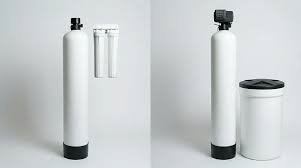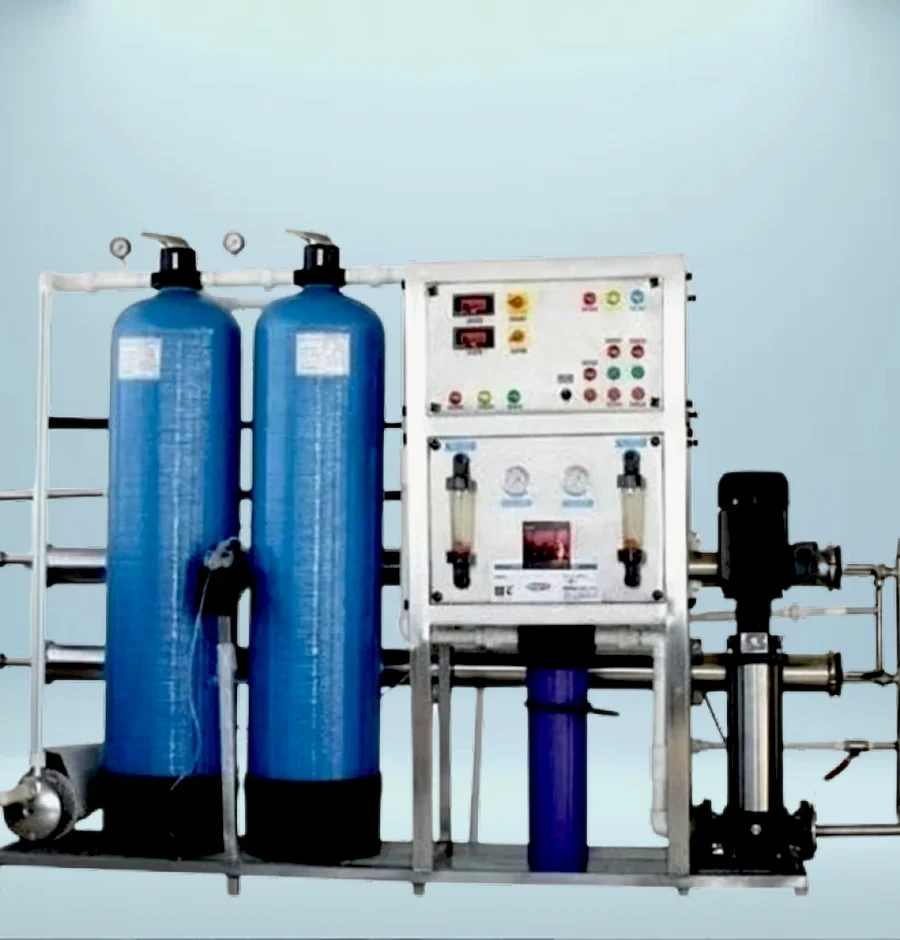

Water treatment systems are easy to forget about when everything seems to be working properly. The water tastes fine, the shower feels comfortable, and there are no stubborn mineral marks around the kitchen sink. Life carries on, and the equipment quietly does its job in the background. Then, one morning, the water pressure drops or an unfamiliar taste appears, and suddenly that system becomes a priority.
A little preventive care can make these situations easier to manage. Regular testing, timely inspections, and access to dependable service help homeowners understand how their equipment is performing before a small concern becomes a bigger inconvenience. It isn’t about worrying over every change in the water. It’s about knowing what to look for and having a sensible plan when something needs attention.
Why Regular Water Testing Matters
Water quality isn’t necessarily fixed. Municipal supplies may experience changes in treatment or distribution, while private well water can be affected by rainfall, flooding, nearby land use, and natural conditions underground. Household plumbing can also influence what eventually comes out of the tap.
This is why an occasional check can be useful, particularly when your household depends on a treatment system to address specific water concerns. An annual water test & system inspection can provide an opportunity to review water quality alongside the condition of the equipment treating it. The appropriate testing should depend on your water source, the contaminants you’re concerned about, and the manufacturer’s recommendations.
For example, a hardness test can help determine whether calcium and magnesium levels are contributing to scale buildup. Other tests may be needed to investigate iron, nitrates, bacteria, or particular chemical contaminants. A basic in-home screening isn’t a substitute for certified laboratory analysis when health-related concerns require more reliable evidence.
The important thing is to understand what the test actually measures. Clear water doesn’t automatically mean every contaminant is absent, and an unusual taste doesn’t necessarily mean the supply is unsafe. Testing helps replace assumptions with useful information.
Recognizing the Signs That Something Needs Attention
Most water treatment problems don’t begin with a dramatic equipment failure. Often, the early signs are easy to overlook. You might notice white deposits returning around faucets, soap becoming harder to rinse away, or the water developing a different taste. A filter housing might begin dripping, or a softener may appear to use salt differently than before.
These changes deserve attention, but they don’t all point to the same cause. Mineral deposits might indicate a change in hardness or an issue with the softener, while reduced pressure could result from a clogged filter or another plumbing restriction. Guessing can lead to replacing parts that aren’t actually responsible for the problem.
Start with the equipment’s instructions and any available warning indicators. Check accessible connections for visible leaks, and make a note of when the change began. If the issue continues, contact a qualified technician who can assess the system properly.
When water suddenly changes color or develops a persistent unusual odor, consider the incoming supply and household plumbing as well as the treatment equipment. If contamination is suspected, arrange suitable testing rather than assuming a filter or softener will resolve the concern.
What a Professional Inspection Should Cover
A useful service visit should focus on the equipment you own and the conditions in which it operates. The technician may inspect accessible plumbing connections, review system settings, check pressure, examine the softener’s regeneration cycle, and determine whether filters or membranes are approaching the end of their service life.
The exact work will depend on the system. A reverse osmosis unit has different maintenance requirements from a whole-house sediment filter or a conventional water softener. That’s why a generic checklist isn’t always enough.
Ask the technician to explain any findings in plain language. If a replacement is recommended, find out what has worn out, why it needs attention, and whether a repair is practical. You should also understand which tasks are urgent and which can be scheduled for later.
Good service involves communication as much as technical work. A written summary of the inspection, along with an estimate for any additional repairs, helps you make decisions without feeling rushed. It also creates a useful record for future appointments.
The Value of Convenient Service Visits
Scheduling maintenance can be difficult when you’re balancing work, family responsibilities, and everything else that comes with running a home. Even a relatively simple repair becomes frustrating if arranging the appointment takes several calls or the service costs are unclear.
When comparing providers, ask about their appointment process, travel fees, service charges, and the areas they cover. Some companies offer no trip charge on service visits under particular conditions. That can make budgeting easier, but it’s worth confirming whether the benefit applies to every visit, only certain appointments, or customers enrolled in a specific plan.
Transparency matters more than a promotional headline. Before booking, ask whether diagnostic work, replacement parts, and labor are charged separately. A clear explanation of the expected costs makes it easier to compare providers and avoid unpleasant surprises when the work is complete.
It also helps to choose a company familiar with your particular equipment. A technician who understands the system’s design may be better positioned to identify the source of a recurring problem and explain the available options.
Why Booking Ahead Can Prevent Frustration
Preventive maintenance is often easier to arrange when the system is still functioning reasonably well. Waiting until a filter becomes completely blocked or a leak develops can leave you scrambling for an appointment at an inconvenient time.
Some service providers offer priority booking to customers who qualify through a maintenance agreement or service membership. This may provide earlier access to available appointments, although the exact benefit varies by company. It doesn’t necessarily guarantee immediate emergency service, so check the terms before relying on it.
Booking routine inspections ahead of time can also make household planning simpler. You can coordinate the appointment around work commitments, prepare any recent water-test results, and make sure the technician can access the equipment.
If your system has a history of recurring problems, keep notes about previous repairs and replacement parts. Sharing that information may help the technician understand whether the issue is repeating or whether a new fault has developed.
Make Maintenance Part of Your Household Routine
Professional service is only one part of caring for water treatment equipment. Homeowners can also follow the manufacturer’s recommended replacement schedule, monitor salt levels where applicable, and keep track of service dates. These small habits can prevent routine tasks from slipping through the cracks.
Avoid opening pressurized housings or attempting electrical repairs unless you’re qualified to do so. If you notice a persistent leak, repeated system shutdowns, or a sudden change in water quality, professional advice is usually the safer option.
Keep in mind that maintaining a treatment system doesn’t eliminate the need for appropriate water testing. Equipment is designed to reduce particular substances under specified conditions, not to guarantee that every possible contaminant is absent. Testing remains important whenever the water source changes or a specific concern arises.
Enjoy Greater Confidence in Your Water
Reliable water treatment comes from combining suitable equipment with sensible maintenance and accurate information. Testing helps you understand the water, inspections help assess the system, and professional service gives you a way to address problems before they become more disruptive.
Take time to understand your equipment’s requirements, ask clear questions about service costs, and keep a record of maintenance and test results. A practical plan doesn’t need to be complicated or expensive. It simply needs to fit your household and address the concerns that matter.
Ultimately, the goal is peace of mind. When you know your water treatment system is receiving appropriate attention, you can spend less time worrying about unexpected problems and more time enjoying the everyday comfort of a well-maintained home.