There’s something reassuring about filling a glass straight from the kitchen tap and knowing the water is suitable for drinking. Yet many homeowners aren’t entirely confident about their water quality. Perhaps there’s a chlorine-like taste, a cloudy appearance after heavy rain, or a stubborn mineral buildup around faucets. Sometimes, the water seems perfectly normal, but questions remain about what’s actually in it.
These concerns are understandable. Water travels through treatment facilities, distribution pipes, wells, and household plumbing before it reaches the glass on your counter. Its quality can vary depending on the source and local conditions, which means the right treatment for one home may be unnecessary—or ineffective—in another.
Rather than choosing equipment based on advertising or a neighbor’s recommendation, it’s worth taking a step back. Understand the water first, identify the problem, and then choose a solution that addresses it.
Why One Filter Doesn’t Solve Every Problem
It’s easy to assume that a filter is a filter, but water treatment technologies work in different ways. Some capture suspended particles, others reduce certain chemicals, and some use membranes or other specialized processes to target specific contaminants.
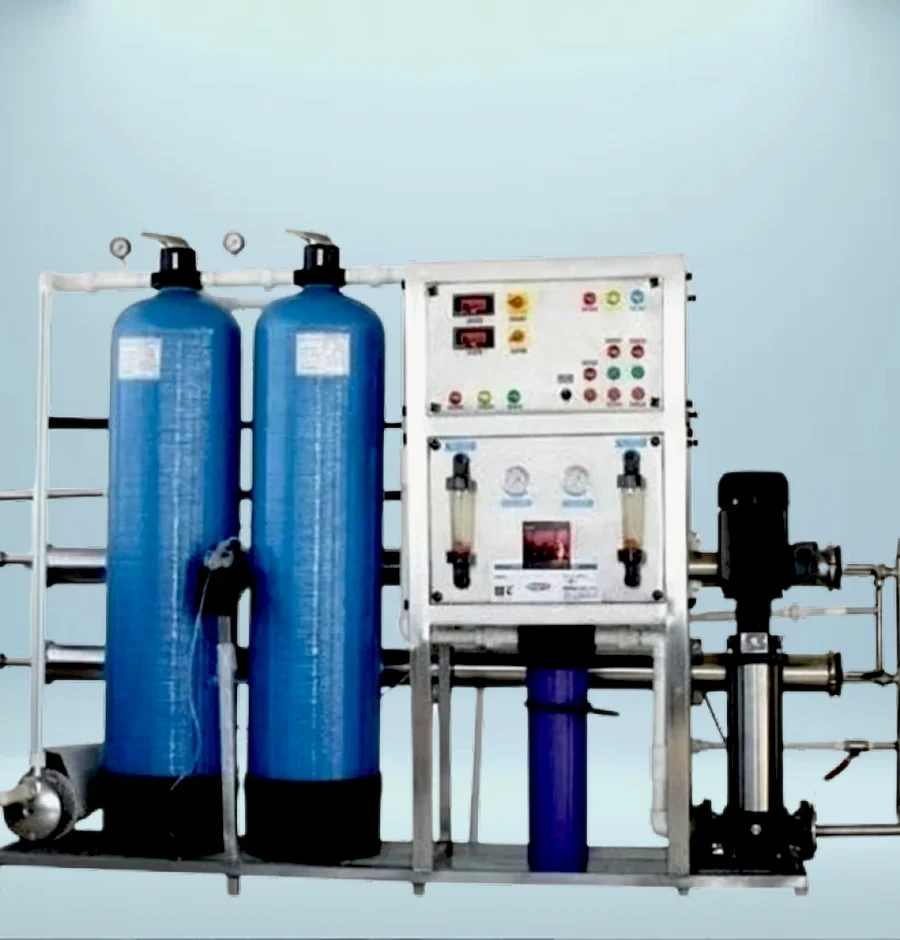
Well-designed filtration systems can improve water quality when they’re selected for the right purpose. For instance, sediment filtration can remove particles such as sand, dirt, and rust. Activated carbon can reduce chlorine and certain compounds responsible for unpleasant tastes and odors. Reverse osmosis systems can reduce many dissolved substances, depending on their design and performance certification.
The important distinction is that removing one substance doesn’t automatically mean removing everything else. A sediment filter won’t reliably remove dissolved salts, and a carbon cartridge isn’t necessarily effective against microorganisms or every chemical contaminant.
This is why understanding the technology matters. Before purchasing a unit, check what it is designed to reduce, what conditions it requires, and whether its performance has been independently verified. A product that makes broad promises without explaining its limitations deserves a closer look.
Start by Understanding Your Water Source
The first step toward better water is identifying where it comes from. Homes connected to municipal supplies generally receive water that has undergone treatment and routine monitoring. However, water may still pick up contaminants from distribution lines or household plumbing, depending on local conditions.
Private wells require a different approach because the homeowner is generally responsible for checking water quality. Groundwater can contain naturally occurring minerals, and contamination may occur through damaged well components, surface runoff, or nearby land use. Clear water isn’t necessarily safe water.
That brings us to water testing, which helps replace assumptions with useful information. A certified or otherwise appropriately qualified laboratory can test for specific contaminants based on the source and potential risks. Municipal water customers can also review their supplier’s water-quality report and seek additional testing when there’s a concern about plumbing or the water at the tap.
The right tests depend on the circumstances. A household dealing with hard water may need a hardness measurement, while a private well may require testing for bacteria, nitrates, and other locally relevant contaminants. If lead is a concern, testing should follow appropriate sampling guidance because the way a sample is collected can affect the result.
Don’t order every possible test without a reason, but don’t rely on taste or appearance either. Some substances that affect health have no noticeable smell, color, or flavor.
When Specialty Filters Make Sense
Once a problem has been identified, a more targeted treatment option may be appropriate. Specialty water filters are designed for particular needs, such as reducing certain dissolved contaminants, addressing specific chemical compounds, or treating water under unusual conditions.
For example, reverse osmosis may be useful when testing identifies substances that the selected system is certified to reduce. Iron and manganese can require specialized oxidation and filtration methods, particularly when they cause staining or affect taste. Water with microbiological contamination may need disinfection rather than a conventional drinking-water filter.
These distinctions are important because the wrong treatment can leave the original problem unresolved. Installing an ultraviolet disinfection unit, for instance, doesn’t remove dissolved chemicals. Similarly, a water softener primarily addresses hardness minerals; it shouldn’t be treated as a universal purification system.
Look for independently verified performance claims that match the concern you’re trying to address. Certifications from recognized organizations can help establish whether a product has been evaluated for particular reduction claims. Read the details carefully, since certification for one substance doesn’t mean a filter is certified to remove every contaminant.
For serious or complicated water-quality concerns, professional advice can help you compare suitable technologies without paying for features your household doesn’t need.
Whole-House Treatment or a Drinking-Water Filter?
Another practical decision is where the water should be treated. Whole-house systems are installed where water enters the property, so the treatment applies to water flowing toward showers, laundry appliances, and other fixtures. They’re worth considering when the problem affects the entire supply, such as sediment or certain water conditions that require treatment throughout the home.
Point-of-use filters are installed at a specific location, often beneath the kitchen sink or on a countertop. These may be a sensible choice when the primary goal is improving drinking and cooking water.
The right arrangement depends on your results, household habits, and budget. There’s little reason to install a complex whole-house system if a simpler approach can safely address the actual concern. On the other hand, treating only kitchen water won’t solve a problem that affects plumbing and appliances throughout the property.
Consider daily water use as well. A large household may need equipment with greater flow capacity, while a smaller household may find a compact system easier to maintain. Installation space, replacement cartridge availability, and the cost of ongoing service deserve attention before you buy.
Maintenance Is Part of the Solution
Even the best equipment needs regular care. Filters have limited service lives, and their performance can decline as they collect particles or reach their rated capacity. Some systems also require membrane replacement, sanitization, pressure checks, or other scheduled servicing.
Follow the manufacturer’s instructions rather than waiting for a noticeable change in taste or flow. Not every contaminant creates an obvious warning, so water that seems normal shouldn’t be taken as proof that a filter is still effective.
Keep a record of installation dates and replacement intervals. If the system is designed to reduce a specific contaminant, periodic testing may be appropriate to verify that it continues to perform as intended. Replace components with compatible parts and follow flushing instructions after installation.
Maintenance also means paying attention to changes in the source water. Flooding, well repairs, plumbing work, or an official advisory may justify additional testing or a reassessment of the treatment arrangement.
Be Careful with Big Promises
Water treatment marketing can make complicated issues sound surprisingly simple. Products may promise healthier water, better taste, or the removal of a long list of contaminants. Some claims may be legitimate, but they need to be supported by reliable evidence.
Ask specific questions before committing to a purchase. What exactly does the system reduce? Has its performance been independently tested? How much will replacement cartridges cost, and how often will they need changing? Does the product require professional installation?
Also, remember that no single treatment method is suitable for every situation. Boiling can control many disease-causing microorganisms when done correctly, but it won’t remove most chemical contaminants and may concentrate some dissolved substances. A softener can reduce hardness without necessarily making water safe to drink.
A trustworthy supplier should be willing to explain these limitations clearly.
Make Water Quality a Practical Priority
Better water doesn’t always require an expensive installation or a complicated setup. It starts with asking the right questions, understanding the source, and choosing equipment based on evidence rather than guesswork.
For some households, a basic carbon filter may be enough to improve taste. Others may need a combination of treatment methods or professional help to address a specific concern. Whatever the situation, the aim is the same: choose a solution that fits the water, the household, and the maintenance you’re prepared to manage.
Water is part of nearly every routine, from the first cup of tea in the morning to washing vegetables at dinner. Taking a thoughtful approach to its quality can provide greater confidence and help avoid unnecessary spending. Start with what you know, investigate what you don’t, and let the evidence guide your decision.