Water is one of those everyday essentials we rarely think twice about. It’s there when we make our morning coffee, wash vegetables for dinner, take a shower after a busy day, or simply fill a glass at the kitchen sink. Because it’s always available, we tend to assume it’s doing exactly what it should. But when something changes—a strange taste, stubborn stains, dry skin, or cloudy water—it suddenly becomes impossible to ignore.
The interesting thing is that water quality problems rarely appear all at once. They often creep in slowly, becoming part of daily life until we forget what clean, fresh water is supposed to feel like. Fortunately, most of these concerns can be identified and corrected with the right approach.
Water Quality Is Constantly Changing
Many homeowners believe their water stays the same year after year. In reality, water is constantly influenced by seasonal rainfall, groundwater conditions, aging plumbing, municipal infrastructure, and even nearby construction projects.
If your home relies on a private well, natural minerals and sediment can vary throughout the year. Municipal water supplies may also fluctuate depending on treatment processes and distribution systems.
That means the water flowing from your tap today may not be exactly the same as it was a few years ago.
Paying attention to subtle changes is often the first step toward maintaining healthier, cleaner water.
Small Signs Usually Point to Bigger Problems
Sometimes the clues are easy to recognize. Maybe your dishes come out of the dishwasher covered with cloudy spots. Perhaps your water heater seems less efficient than it used to be. Soap doesn’t lather properly, laundry feels stiff, or bathroom fixtures constantly need cleaning.
These everyday inconveniences often signal underlying water treatment issues that deserve attention before they become expensive repairs.
Ignoring them may not create immediate damage, but over time, mineral buildup, sediment, and chemical imbalances can reduce appliance efficiency, increase maintenance costs, and shorten the lifespan of household plumbing.
Hard Water Affects More Than Just Your Plumbing
Hard water is one of the most common residential water concerns, especially in areas where groundwater naturally contains calcium and magnesium.
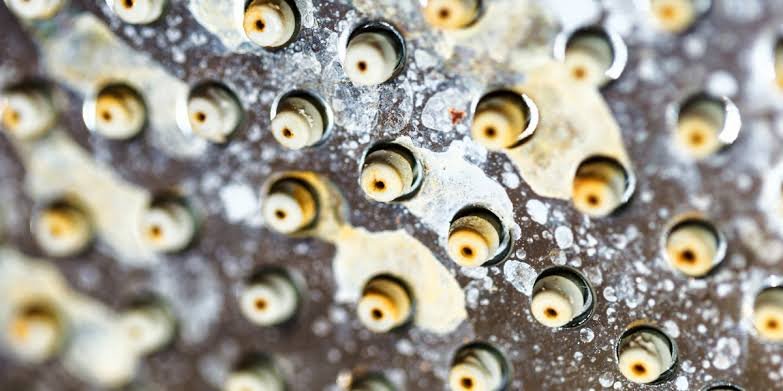
While these minerals aren’t generally considered harmful to drink, they create scale inside pipes, water heaters, dishwashers, coffee makers, and washing machines. Over time, that buildup forces appliances to work harder while consuming more energy.
Proper hardness reduction helps prevent mineral accumulation before it reaches your plumbing system. Homeowners often notice cleaner fixtures, brighter dishes, softer laundry, and equipment that operates more efficiently after addressing hard water.
It’s one of those improvements that quietly saves money while making everyday life a little easier.
Chlorine Isn’t Always the Problem—But It Can Affect Comfort
Municipal water systems commonly use chlorine to disinfect drinking water and help protect public health. It’s an important part of the treatment process, but that doesn’t mean everyone enjoys its presence.
Some people notice a swimming-pool smell when turning on the tap. Others find that beverages like coffee or tea taste slightly different, while certain foods lose some of their natural flavor during cooking.
For households seeking fresher-tasting water, chlorine reduction through activated carbon filtration is often an effective solution. Besides improving taste and odor, many homeowners appreciate the cleaner, more refreshing feel of filtered water throughout the home.
Water Testing Removes the Guesswork
One of the biggest mistakes homeowners make is buying treatment equipment without first understanding their actual water quality.
A water softener won’t remove chlorine. A carbon filter won’t solve hard water. Sediment filters improve clarity but don’t necessarily eliminate dissolved minerals.
Professional water testing provides a clear picture of what’s actually present in your water. Hardness levels, iron content, pH balance, sediment, chlorine, total dissolved solids, and other important characteristics can all be measured accurately.
Once you know what you’re dealing with, selecting the right treatment system becomes much simpler—and far more cost-effective.
Better Water Benefits Your Entire Home
Most people immediately think about drinking water, but cleaner water affects nearly every room in the house.
Appliances often last longer because they’re protected from mineral buildup. Plumbing fixtures stay cleaner with less scrubbing required. Laundry feels softer, towels remain more absorbent, and glassware comes out noticeably clearer.
Many homeowners even report improvements in skin comfort and hair texture after reducing excessive minerals and chlorine from their water supply.
These changes aren’t dramatic overnight miracles. Instead, they’re steady improvements that quietly enhance daily routines week after week.
Regular Maintenance Keeps Systems Performing
Installing a treatment system isn’t the final step.
Filters eventually become saturated. Water softeners require periodic servicing. UV systems need lamp replacements, while sediment cartridges gradually fill with trapped particles.
Fortunately, routine maintenance is usually straightforward and much less expensive than replacing damaged plumbing or worn-out appliances.
Just like servicing your heating system or changing the oil in your vehicle, preventive maintenance helps ensure reliable performance for years to come.
Investing in Long-Term Water Quality
Quality water treatment isn’t about chasing perfection. It’s about creating consistency.
Reliable water helps protect expensive appliances, supports healthier plumbing, improves comfort, and gives homeowners confidence every time they turn on the faucet.
Instead of reacting to problems after they appear, proactive testing and properly selected treatment equipment help prevent many issues before they disrupt daily life.
It’s an investment that continues paying dividends long after installation.
Cleaner Water Makes Everyday Living Better
Water quietly supports nearly every activity in your home, from preparing meals and doing laundry to bathing and cleaning. When its quality begins to decline, even ordinary routines become a little more frustrating.
The good news is that most household water concerns have practical, effective solutions. By recognizing early warning signs, testing your water regularly, and choosing treatment systems designed for your home’s specific needs, you can enjoy fresher water, better-performing appliances, and greater peace of mind.
Sometimes the simplest improvements have the biggest impact. Cleaner water may not always be the first home upgrade people think about, but it’s one you’ll appreciate every single day—often without even realizing it.