Water is one of those everyday things people rarely stop to examine. It runs through the kitchen, bathroom, laundry room, water heater, dishwasher, coffee maker, and sometimes half the equipment in a business. When it tastes fine and looks clear, most of us assume everything is okay.
But water can be a quiet troublemaker.
A glass may look clean while minerals, particles, disinfectants, or tiny bits of debris are moving through it. Over time, those things start showing up in ways that are hard to ignore. Cloudy glasses. Strange taste. Dry-feeling skin. Clogged fixtures. Appliances that seem to need repairs too often. A little white crust around the faucet that keeps coming back no matter how many times you scrub it.
Good water treatment is not only about making water taste better. It is about protecting the systems that rely on water every day, and making a home or business easier to maintain.
The Small Signs Water Is Working Against You
Most water problems do not begin dramatically. They build slowly. A kettle starts collecting flakes. Showerheads lose pressure. Dishes come out spotted. Coffee tastes a little flat. Laundry feels stiff. These things are easy to blame on appliances, soaps, or cleaning habits, but often the water itself is part of the problem.
The tricky part is that different water issues can look similar. Minerals may create stains or crust. Sediment may cause cloudiness or clogging. Chlorine may affect taste and smell. Without testing, it is hard to know what is actually happening.
That is why a proper water assessment matters. It gives homeowners and business owners a clearer picture, so they can choose the right treatment instead of guessing.
When Minerals Leave Their Mark
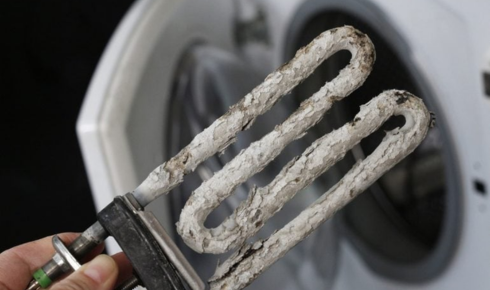
One of the most common problems in homes and commercial buildings is scale buildup. It usually comes from hard water minerals, especially calcium and magnesium, collecting on surfaces and inside equipment.
At first, scale may look like a simple cleaning issue. White marks on fixtures. Spots on glassware. A crusty ring around taps. But inside appliances and plumbing, scale can become a bigger concern. Water heaters may lose efficiency. Dishwashers may work harder. Coffee machines, boilers, ice machines, and washing equipment may need more frequent servicing.
For businesses, this can become costly. A restaurant, hotel, café, laundry facility, or office with water-using equipment cannot afford constant breakdowns. Treating hardness helps reduce mineral deposits before they create long-term damage.
Why Particles Should Not Be Ignored
Sometimes water carries tiny particles from pipes, wells, storage tanks, or source water. These may include sand, silt, rust, clay, or other small materials. You may see them as grit in a glass, cloudy water after plumbing work, or debris caught in faucet screens.
Good sediment reduction helps protect plumbing, appliances, filters, and fixtures from unnecessary clogging. It can also make water look cleaner and help other treatment systems work more effectively.
This is especially important for well water users, older buildings, and properties where water lines have experienced repairs or pressure changes. Sediment may not always be dangerous, but it can be annoying, and over time it can reduce flow and damage sensitive equipment.
Taste and Smell Matter Too
Municipal water is commonly treated to make it safe for public use, and that treatment is important. Still, many people notice a chemical-like taste or smell in their water, especially when drinking from the tap, making ice, brewing coffee, or preparing food.
That is where chlorine reduction can make a noticeable difference. By reducing chlorine taste and odour, filtration can help water feel fresher and more pleasant for everyday use.
For homes, this often means people drink more tap water and rely less on bottled water. For businesses, it can improve customer-facing details like coffee, tea, ice, fountain drinks, soups, sauces, and water served at the table. Small improvements in taste can quietly lift the whole experience.
One System Does Not Solve Everything
It is tempting to think one basic filter can fix every water problem. Sadly, water does not work that neatly. A filter designed for taste may not handle hardness. A softener may not remove sediment. Sediment filtration may not improve chlorine taste. Each issue needs the right approach.
The best solution usually starts with testing. Once you know what is in the water, the system can be matched to the actual problem. Some properties need a softener. Others need carbon filtration, sediment filtration, reverse osmosis, or a combination of treatments.
A good system should also match usage. A small household does not have the same needs as a busy restaurant or commercial kitchen. Flow rate, water demand, maintenance schedules, and equipment type all matter.
Better Water Protects More Than the Tap
Water touches nearly every part of a property. It fills appliances, moves through pipes, cleans dishes, washes clothes, makes drinks, supports heating systems, and reaches customers or family members every day.
When the water improves, the benefits are often practical rather than dramatic. Fixtures stay cleaner. Appliances run with less strain. Drinks taste better. Filters last longer. Maintenance feels less constant. The whole property becomes a little easier to manage.
And honestly, that is the kind of upgrade people tend to appreciate most. Not flashy. Not loud. Just useful.
Start with What the Water Is Telling You
If water leaves spots, tastes strange, smells unpleasant, clogs fixtures, or damages equipment, it is worth paying attention. These signs are not random. They are clues.
Testing the water, understanding the results, and choosing proper treatment can save money, reduce frustration, and improve daily comfort. Clean, reliable water should not feel complicated. It should quietly support the home or business in the background, just doing its job well.
Because when water works better, everything connected to it works better too.