There’s something oddly satisfying about filling a glass of water straight from a dispenser and knowing it’s fresh, clean, and ready whenever you need it. No heavy bottles to lift, no last-minute deliveries, and definitely no stack of empty jugs taking over the corner of the room. It’s a small change that ends up making daily life a little easier.
That’s one of the biggest reasons bottleless water systems have quietly become a preferred choice in homes, offices, schools, and healthcare facilities. They’re designed to connect directly to an existing water supply, filtering water as it flows instead of relying on pre-packaged bottles. While the concept sounds simple, the benefits stretch far beyond convenience.
A Simpler Way to Access Better Drinking Water
Traditional bottled water coolers have been around for decades, and for many people they still seem like the obvious choice. But once you factor in delivery schedules, storage space, and recurring bottle replacements, they can become more of a hassle than expected.
Bottleless systems remove those frustrations entirely. Because they filter water directly from your plumbing, there’s no waiting for deliveries or wondering if you’ll run out before the next shipment arrives. The water is available whenever you need it, whether it’s the first cup of coffee in the morning or a cold glass after a workout.
For busy families and growing workplaces, that reliability often becomes one of the biggest selling points.
Modern Filtration Makes a Real Difference
One common misconception is that all filtered water tastes the same. In reality, the quality of filtration plays a huge role in the final result.
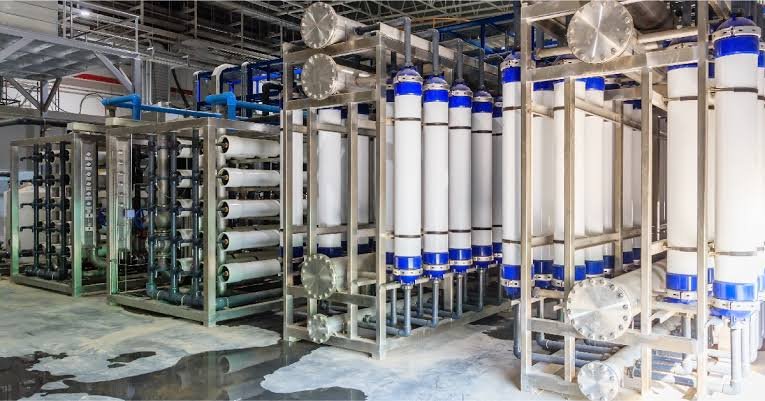
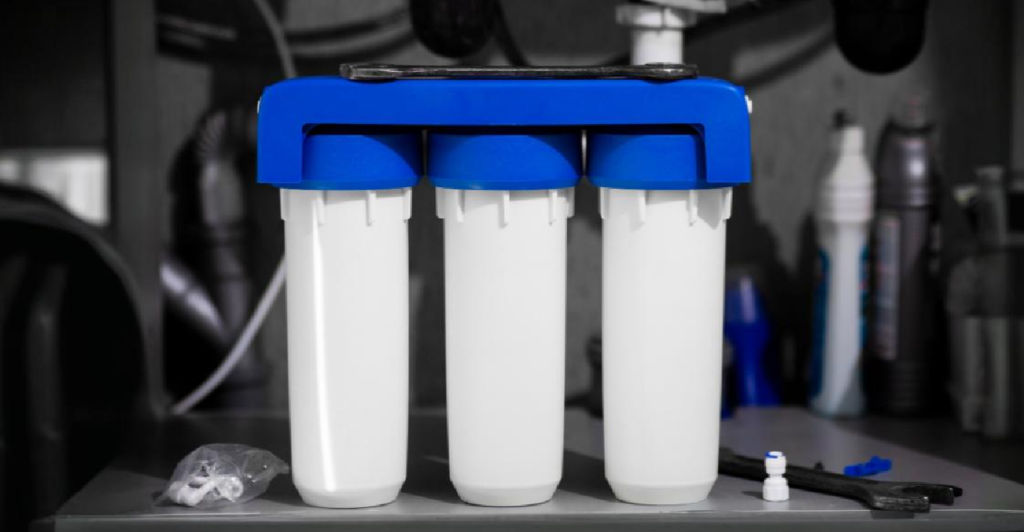
Many modern bottleless systems combine sediment filters, activated carbon filters, and uv self-cleaning technology methods that help reduce chlorine, unpleasant odours, heavy metals, and various contaminants commonly found in municipal water supplies. Depending on the model, some systems also incorporate reverse osmosis or additional purification stages for even cleaner drinking water.
The result isn’t just water that looks cleaner—it often tastes noticeably fresher too. It’s one of those improvements people don’t always expect until they experience it themselves.
Hygiene Has Come a Long Way
Clean water isn’t only about filtration. It’s also about keeping the dispenser itself sanitary over time.
Older dispensers could sometimes develop bacteria around internal components if regular maintenance was overlooked. Fortunately, today’s premium systems address that challenge with advanced filtration , which periodically sanitises key internal areas using ultraviolet light.
This automatic cleaning process helps reduce microbial growth inside the unit without requiring constant manual attention. While routine maintenance is still important, these built-in features provide an extra layer of confidence for households and businesses where hygiene matters every single day.
It’s a smart improvement that quietly works in the background without changing how you use the machine.
Lower Long-Term Costs Than You Might Expect
At first glance, purchasing or leasing a bottleless water system may seem like a larger investment than renting a traditional bottled cooler.
However, the numbers often tell a different story over time.
Bottled water involves recurring delivery fees, bottle deposits, transportation costs, and storage requirements. Those expenses continue month after month. A bottleless system mainly requires scheduled filter replacements and occasional maintenance, making operating costs much more predictable.
Many businesses notice meaningful savings after the first year, especially offices with dozens of employees consuming water throughout the workday.
Even homeowners often find the convenience alone justifies the investment before the financial savings fully kick in.
An Environmentally Responsible Choice
Plastic waste has become a growing concern worldwide, and while reusable water bottles certainly help, reducing large commercial water bottles also makes an impact.
Every bottle that doesn’t need to be manufactured, transported, cleaned, and redistributed helps reduce resource consumption. Fewer delivery trucks also mean fewer transportation emissions.
For organisations working toward greener operations, bottleless systems represent a practical step rather than simply a symbolic one.
That practical approach is why many businesses now view them as a sustainable hydration solution instead of just another office appliance. Employees appreciate having easy access to clean drinking water while employers reduce waste behind the scenes.
It’s one of those rare situations where convenience and sustainability actually work together.
Perfect for More Than Just Offices
Although bottleless water systems are often associated with corporate environments, they’re becoming increasingly popular in residential settings as well.
Families appreciate having fresh drinking water available throughout the day without worrying about purchasing bottled water from the supermarket. Children can easily refill reusable bottles before school, while parents save both time and money over the long run.
Gyms, medical clinics, universities, hotels, and retail stores have also embraced these systems because they provide reliable hydration without requiring constant attention from staff.
The flexibility of installation options means there’s usually a model suited for nearly every environment.
Maintenance Is Easier Than Many People Think
Some people hesitate because they assume connected water systems require complicated maintenance.
Fortunately, most manufacturers design them to be fairly straightforward.
Filter replacement schedules are typically based on water usage or time intervals, and many newer units even include indicator lights that notify users when service is due. Routine sanitisation remains important, but modern designs have significantly reduced the effort compared to older equipment.
Professional servicing is available when needed, though many basic maintenance tasks can be completed quickly without specialised knowledge.
Like any appliance, a little regular attention goes a long way toward keeping performance consistent.
Choosing the Right System Matters
Not every bottleless water dispenser offers the same features.
Some focus primarily on basic filtration, while others include hot and cold water options, touchless dispensing, reverse osmosis purification, mineral enhancement, sparkling water capabilities, or self-cleaning functions.
Before choosing a model, it’s worth considering daily water consumption, available installation space, maintenance requirements, and local water quality.
A household with four people has different needs than a busy office serving fifty employees. Taking those factors into account helps ensure the system delivers reliable performance for years rather than simply meeting today’s needs.
Final Thoughts
Access to clean drinking water shouldn’t feel complicated. That’s really what makes bottleless water systems so appealing. They quietly remove many of the inconveniences people have accepted for years while delivering consistently fresh water with minimal effort.
Whether the motivation is reducing plastic waste, lowering long-term costs, improving water quality, or simply making everyday life a little easier, these systems offer practical advantages that continue well after installation.
Sometimes the best home or workplace upgrades aren’t the flashiest ones. They’re the improvements that become part of your routine so naturally that, after a while, you barely remember how things worked before.