Water Looks Clear, but There’s More to the Story
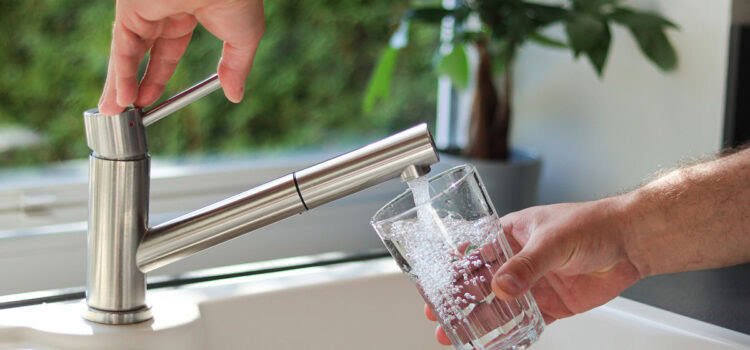
Most of us rarely stop to think about water unless something feels wrong. The faucet turns on, the glass fills up, and life moves on. But over time, you may begin to notice little clues that your home’s water is doing more than simply keeping you hydrated.
Maybe your showerhead develops stubborn white spots. Your dishwasher leaves cloudy marks on glasses that never seem to disappear. Soap doesn’t lather the way it used to, and your coffee maker seems to need cleaning more often than expected.
These aren’t random household annoyances. In many cases, they’re connected by one common factor—hard water.
Hard water is found in millions of homes around the world, and while it isn’t considered unsafe to drink, it can quietly influence your plumbing, appliances, cleaning routine, and even your daily comfort. Understanding why it happens is the first step toward making better decisions about your home’s water.
Where Hard Water Comes From
Rainwater starts out naturally soft, but its journey doesn’t end there.
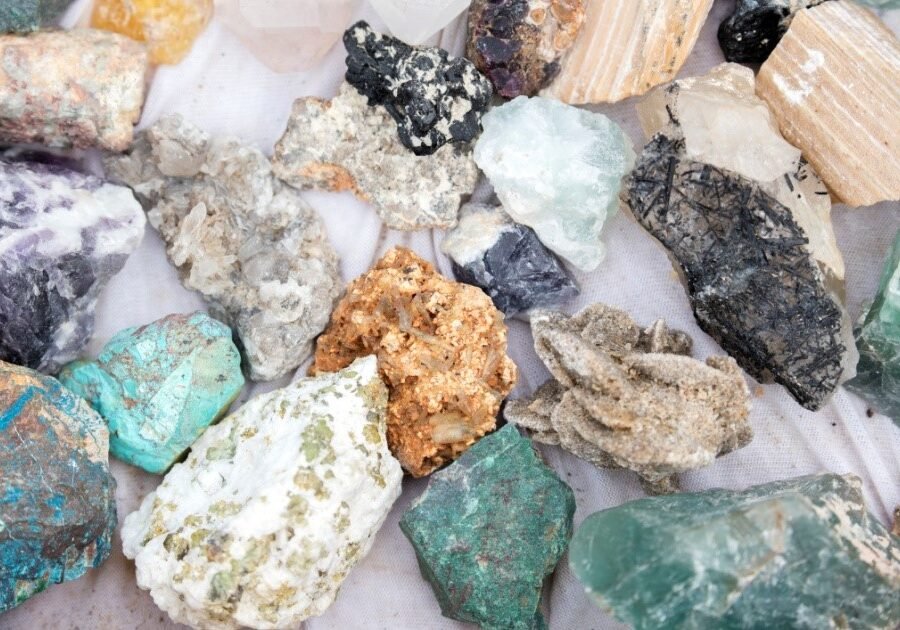
As water moves through layers of rock and soil underground, it dissolves naturally occurring minerals before reaching wells, reservoirs, or municipal treatment systems. By the time that water reaches your home, it often contains varying levels of dissolved minerals depending on the local geology.
Some regions have relatively soft water, while others experience much higher mineral concentrations. That’s why two neighboring towns can have completely different water characteristics.
Nature is simply doing what nature has always done.
Understanding the Role of hard minerals
The primary reason water becomes “hard” is the presence of hard minerals that dissolve into groundwater over time.
These minerals aren’t pollutants. In fact, they’re naturally occurring substances found throughout the earth’s crust. Their concentration simply varies depending on where your water originates.
The challenge begins when those dissolved minerals remain behind after water evaporates.
Whether it’s inside plumbing pipes, water heaters, coffee makers, or showerheads, mineral deposits slowly accumulate wherever water regularly flows.
The process is gradual, making it easy to overlook until maintenance becomes more frequent or appliances begin losing efficiency.
Why calcium and magnesium Matter
When people talk about hard water, they’re almost always referring to calcium and magnesium.
These two minerals account for the majority of hardness found in residential water supplies.
Neither mineral is generally considered harmful in normal drinking water concentrations. In fact, they’re essential nutrients found in many foods we eat every day.
The issue isn’t drinking them.
The issue is how they behave inside your home.
As water heats, evaporates, or flows through plumbing systems, calcium and magnesium begin settling onto surfaces. Over months and years, those tiny deposits gradually become visible and eventually affect the performance of household equipment.
It’s a slow process—almost invisible at first—but remarkably persistent.
Everyday Signs Your Water May Be Hard
Many homeowners don’t realize they have hard water because the symptoms develop gradually.
Common signs include:
- White residue around faucets and showerheads.
- Cloudy drinking glasses after washing.
- Soap that doesn’t lather easily.
- Stiff towels after laundry.
- Water spots on dishes.
- Reduced water heater efficiency.
- Mineral deposits inside kettles and coffee makers.
Individually, these issues may seem minor.
Together, they often point toward mineral-rich water moving throughout the home every day.
Recognizing these signs early helps homeowners address the underlying cause before larger maintenance issues develop.
The Long-Term Effect of limescale buildup
One of the biggest consequences of untreated hard water is limescale buildup .
This chalky white deposit forms whenever mineral-rich water evaporates, leaving calcium-based residue behind.
Initially, scale appears on visible surfaces like faucets, sinks, shower doors, and fixtures.
The bigger concern, however, develops where homeowners can’t easily see.
Inside water heaters, mineral deposits coat heating elements, reducing efficiency and increasing energy consumption. Pipes slowly narrow as deposits accumulate along interior walls. Dishwashers, washing machines, humidifiers, and coffee makers gradually lose performance because scale interferes with normal operation.
The frustrating part is that scale develops slowly enough to become “normal.”
Many homeowners simply assume appliances naturally lose efficiency over time without realizing water quality plays a major role.
Better Water Improves Everyday Living
Hard water doesn’t usually create one dramatic problem.
Instead, it creates dozens of small inconveniences that quietly add up.
Soap requires more effort to rinse away.
Cleaning products become less effective.
Glass shower doors need constant attention.
Laundry may feel rougher after washing.
Bathroom fixtures require frequent scrubbing.
None of these issues seem overwhelming individually, but together they consume time, energy, and household resources that could be better spent elsewhere.
Improving water quality often means improving daily routines in ways people don’t fully appreciate until they’ve experienced the difference.
Why Water Testing Is Worth It
It’s tempting to diagnose water problems based on appearances alone.
Unfortunately, symptoms don’t always tell the whole story.
Cloudy dishes could indicate hard water.
They could also result from detergent issues.
Metallic tastes may point toward iron—or something entirely different.
Professional water testing removes the guesswork.
Testing evaluates hardness, pH levels, dissolved minerals, chlorine, sediment, iron, sulfur, and other characteristics that influence treatment decisions.
Rather than purchasing equipment based on assumptions, homeowners gain a clear understanding of what’s actually happening inside their water supply.
That’s a much smarter starting point.
Choosing the Right Solution
Once you understand your water, selecting treatment becomes much easier.
Homes experiencing significant hardness often benefit from water softening systems designed to reduce calcium and magnesium before they circulate throughout the plumbing.
Some households also choose additional filtration to address chlorine, sediment, odors, or other water quality concerns.
The best solution isn’t necessarily the biggest or most expensive system.
It’s the one that addresses your home’s actual water conditions.
That simple principle helps homeowners avoid unnecessary expenses while achieving better long-term results.
Better Water Creates a Better Home
Water is involved in nearly everything we do at home.
We cook with it, clean with it, shower in it, wash our clothes, make coffee, and rely on it countless times every single day.
When that water works with your home instead of against it, everyday life becomes noticeably easier.
Appliances last longer.
Cleaning takes less effort.
Showers feel more enjoyable.
Fixtures stay cleaner.
Maintenance becomes less frequent.
Hard water isn’t unusual, and it isn’t something homeowners need to fear. But understanding what causes it—and how it quietly affects the home—allows you to make informed decisions that benefit both your household and your long-term investment.
Sometimes the most valuable home improvement isn’t one you can immediately see.
Sometimes it’s simply better water flowing through every tap, every day.