Water has a bigger role in the home than most people give it credit for. It is in the coffee you drink while still half-awake, the shower that gets you moving, the laundry you hope comes out soft, and the dishes that never seem to stop piling up. When water is clean and pleasant, you barely notice it. When it is not, it starts showing up everywhere.
Maybe the tap water tastes a bit flat. Maybe the shower glass always looks cloudy. Maybe there are tiny particles in the sink, or your appliances seem to need more cleaning than they should. These things can feel minor at first, but they often point to a bigger water quality issue quietly moving through the house.
Why Water Quality Is a Whole-House Issue
A lot of homeowners think water treatment only matters at the kitchen sink. That makes sense, because drinking water is usually the first concern. But water moves through every part of the home. It runs through pipes, water heaters, toilets, washing machines, dishwashers, showers, and outdoor taps.
So when the water has minerals, particles, chlorine taste, or other unwanted elements, the effects are not limited to one glass of water. They can touch daily routines, cleaning habits, plumbing performance, and even how fresh the home feels overall.
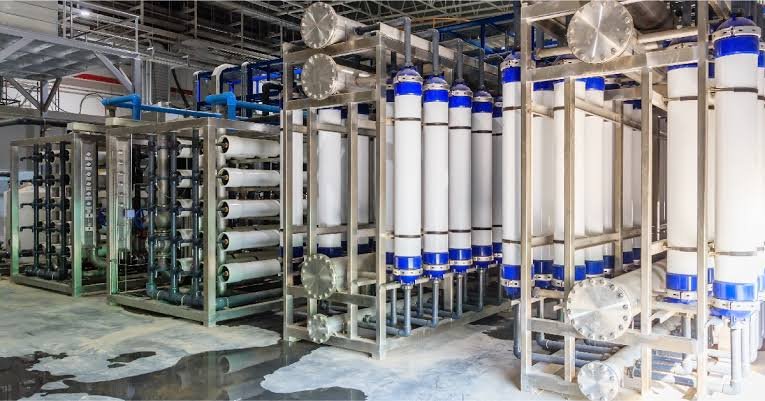
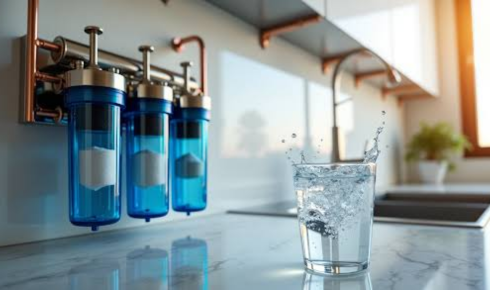
That is why whole-home filtration can be such a practical option. Instead of treating water at only one faucet, it works closer to the point where water enters the home. This means cleaner water can reach bathrooms, laundry rooms, appliances, and kitchen fixtures, giving the entire house a more consistent water quality experience.
What Might Be Hiding in Your Water
Water does not have to look dirty to carry things you may not want. Some issues are visible, like particles or discoloration. Others are harder to notice, like chlorine taste, odor, dissolved minerals, or metals. In some homes, especially those using well water, water quality can shift with seasons, weather, or changes underground.
A water test is always the smartest starting point. It helps identify what is actually in the water before choosing equipment. Without testing, it is too easy to buy a filter that solves one problem while leaving another untouched.
The Problem With Grit and Particles
One of the more common water complaints is gritty or cloudy water. Sometimes it appears as tiny specks in the sink. Other times it collects in toilet tanks, clogs fixtures, or settles in appliances. It may not always be dangerous, but it can be annoying, and over time it can put extra strain on plumbing and water-using equipment.
This is often caused by sediment, which can include sand, dirt, rust flakes, or other small particles. It may enter through older pipes, private wells, water main repairs, or natural ground conditions. A good filtration setup can help reduce these particles before they travel deeper into the home, which can make maintenance easier and protect fixtures from unnecessary wear.
Taste Matters More Than People Admit
Nobody wants to drink water that tastes strange. Even if it is considered safe, water with a strong chlorine smell, earthy taste, metallic note, or stale quality can push people toward bottled water. That becomes expensive, inconvenient, and not exactly great for plastic waste either.
With the right treatment, homeowners can enjoy better tasting water straight from the tap. That can improve coffee, tea, cooking, ice cubes, and simple everyday drinking. It sounds small, but when water tastes clean, people naturally use it more. Kids drink it without complaining. Guests notice it. Even soup and pasta can taste a little better.
Filtration Can Help Appliances Too
Water quality affects appliances more than people think. Dishwashers can leave spots. Washing machines may struggle with residue. Water heaters may collect buildup. Ice makers and coffee machines may need frequent cleaning. Over time, small water problems can turn into repair costs.
A properly selected filtration system can reduce particles and certain unwanted elements before they reach appliances. That does not mean appliances will last forever, of course, but it can help them operate under better conditions. And honestly, anything that helps avoid surprise repair bills is worth considering.
City Water and Well Water Need Different Thinking
Municipal water and private well water come with different concerns. City water is treated, but it may still contain chlorine taste, hardness, or particles from aging pipes. Well water is more directly connected to local ground conditions, so it may require testing for sediment, iron, bacteria, pH, or other issues.
The right solution depends on the source. A city-water home may need filtration for taste and odor. A well-water home may need a more layered setup. There is no shame in needing professional guidance here, because water can be surprisingly complex once you start digging into it.
Maintenance Keeps Filtration Working Properly
Filters are not magic boxes that work forever. Cartridges need replacing. Media may need servicing. Some systems need occasional checks to make sure water pressure and flow remain steady. When maintenance gets ignored, water quality can slowly slip back to where it started.
A simple schedule makes life easier. Replace filters on time, watch for pressure changes, and have the system inspected when needed. Good maintenance keeps the equipment doing its job quietly in the background.
A Better Everyday Experience
Clean water is not just about health or plumbing. It is about comfort. It is about clearer ice, fresher showers, cleaner laundry, and fewer little frustrations around the house. You may not think about your water every day, but you definitely feel the difference when it improves.
The best approach is simple: test the water, understand the problem, and choose a system that fits the home. When filtration is matched properly, water becomes one less thing to worry about — and that is a pretty nice upgrade.