Water may seem like a basic utility, but in commercial and industrial facilities, it can quietly influence almost everything. It can cool machinery, support production, clean equipment, feed boilers, and move through pipes and heat exchangers every day. When the water chemistry isn’t suitable for those jobs, small issues can gradually become expensive ones.
Mineral deposits, sediment, corrosion, and other water-quality concerns don’t always cause an immediate breakdown. More often, they slowly affect performance. A pump works harder. A heat exchanger loses efficiency. Filters need replacement more often. Maintenance teams spend extra time dealing with problems that weren’t on the original schedule.
The good news is that water-related equipment problems are often manageable when businesses take a proactive approach.
Why Water Quality Matters in Commercial Facilities
Every facility has different water requirements. A restaurant may care about hardness, taste, and the effect of water on dishwashing equipment. A manufacturing plant may have much more demanding specifications for process water.
Water can contain calcium, magnesium, iron, sediment, dissolved solids, and other substances. Some are naturally occurring, while others may enter the water through treatment processes or plumbing.
The important question isn’t whether water contains minerals. Almost all natural water does. The question is whether those characteristics create problems for the particular application.
That distinction helps businesses avoid unnecessary treatment while still addressing genuine concerns.
Protecting Equipment From Water-Related Damage
Industrial and commercial equipment isn’t inexpensive. A boiler, pump, heat exchanger, cooling system, or specialized production machine can represent a significant investment.
That’s one reason equipment longevity should be part of a facility’s water-management strategy.
Hardness minerals can form scale. Sediment can collect inside valves and narrow passages. Certain water conditions can encourage corrosion. Over time, these issues may reduce performance or increase the frequency of repairs.
Proper water treatment won’t prevent every mechanical failure, but it can help control water-related factors that contribute to wear.
It’s similar to changing the oil in a vehicle. Maintenance doesn’t guarantee the engine will last forever, but ignoring it certainly isn’t a great strategy.
Start With a Proper Water Analysis
Before choosing filtration or treatment equipment, test the water.
A useful analysis may include hardness, pH, iron, manganese, chlorine, copper, total dissolved solids, sediment, and other characteristics depending on the facility.
Testing is important because different problems require different solutions.
A sediment filter won’t solve hard water. A softener isn’t designed to remove every dissolved contaminant. Reverse osmosis may be unnecessary for a process that only needs sediment reduction.
When treatment is based on actual water-test results, businesses can avoid spending money on equipment that doesn’t solve the problem.
How Scale Can Reduce Equipment Performance
Hard water is a common concern, particularly in systems that heat water.
Calcium and magnesium can form deposits on surfaces, especially when water is heated or evaporated. These deposits can accumulate inside boilers, heat exchangers, water heaters, and other equipment.
Even a modest layer of scale can interfere with heat transfer.
As the buildup increases, equipment may need to work harder or run longer to reach the desired result. Over time, this can affect energy use and maintenance costs.
Depending on the water chemistry, treatment options might include softening, filtration, chemical conditioning, or specialized systems.
The right solution depends on the application—not simply on how hard the water happens to be.
Better Water Can Support Operational Efficiency
Water treatment can contribute to operational efficiency in ways that aren’t always obvious.
Imagine a facility where sediment repeatedly clogs filters. Employees have to stop what they’re doing to replace them. Or consider a cooling system that requires frequent cleaning because of mineral deposits.
Neither problem sounds catastrophic.
But repeated interruptions consume labor, time, and money. They can also make production less predictable.
When water quality is properly managed, equipment can operate under more consistent conditions. Maintenance becomes easier to schedule, and employees spend less time reacting to preventable issues.
That doesn’t mean filtration is a cure-all. It simply removes one potential source of unnecessary friction.
Energy Use and Water Treatment
Water and energy are closely connected in many commercial operations.
Facilities often pump, heat, cool, or circulate large quantities of water. If scale builds up on heat-transfer surfaces, the equipment may become less effective at transferring heat.
In some cases, maintaining appropriate water chemistry can help support better thermal performance.
The actual energy impact varies depending on equipment design, operating hours, water chemistry, and the severity of buildup. Businesses shouldn’t assume that installing treatment equipment will automatically reduce their energy bills.
Instead, look at the bigger picture. Preventing scale and maintaining equipment properly can be one part of an overall efficiency strategy.
Maintenance Is Still Essential
Water treatment systems themselves require maintenance.
Filters become saturated. Softening systems need regeneration. Membranes may require cleaning or replacement. Pumps, valves, controls, and tanks should be inspected.
A system that isn’t maintained can gradually lose effectiveness.
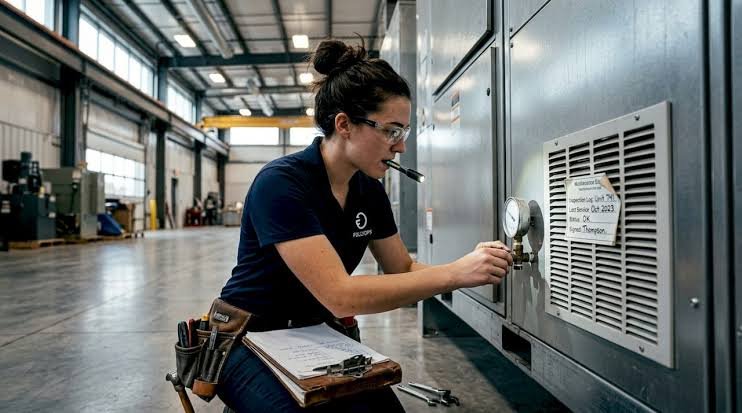
Facilities should create a clear maintenance schedule and make sure staff know what to monitor. Pressure changes, reduced flow, unusual odors, or shifts in treated-water quality can provide early clues that something needs attention.
Keeping service records is helpful, too. A simple maintenance log can show when filters were replaced, when equipment was serviced, and when water was last tested.
Small details become surprisingly useful later.
Understanding Regulatory Requirements
Water management may also involve legal or industry-specific requirements.
Depending on the facility and location, businesses may need to meet standards related to sanitation, environmental protection, wastewater discharge, water reuse, or production processes.
Regulatory compliance shouldn’t be treated as something to think about only before an inspection.
Businesses should understand which requirements apply to their operations and keep appropriate records. Testing reports, maintenance documentation, treatment specifications, and discharge records may all be important depending on the industry.
Because requirements vary, facilities should rely on applicable local regulations and qualified professionals when interpreting compliance obligations.
Choosing the Right Treatment Technology
There isn’t one perfect filtration system for every business.
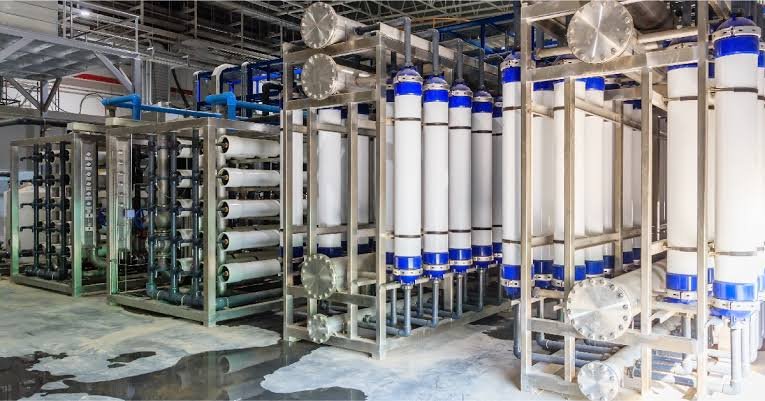
Some facilities may need sediment filtration. Others may benefit from water softening, activated carbon, reverse osmosis, ultraviolet treatment, or specialized media. Larger operations may require multiple treatment stages.
System sizing matters just as much as technology.
A treatment system must handle both normal and peak water demand without creating unnecessary restrictions. It should also fit the available space and allow technicians to access components for maintenance.
A professional system assessment can be particularly useful when water quality directly affects production or expensive equipment.
Look at the Long-Term Value
The cheapest treatment system isn’t always the most economical choice.
Businesses should consider installation, replacement filters, chemicals, electricity, wastewater, maintenance, downtime, and expected equipment life.
A slightly more expensive system may provide better long-term value if it is properly sized, efficient, and easy to maintain. On the other hand, adding unnecessary treatment stages can increase costs without providing meaningful benefits.
The goal is balance.
A Practical Approach to Better Water Management
Water management doesn’t have to become an overly complicated project. Start with the basics: understand the water, identify the problems, and determine how those problems affect your equipment and processes.
Then choose treatment based on evidence.
Test regularly, maintain equipment, monitor performance, and keep useful records. When production changes or new equipment is installed, review the water requirements again.
It’s a straightforward approach, but it works.
In the end, good water management is less about chasing perfectly pure water and more about creating reliable conditions for the people, equipment, and processes that depend on it.
When water quality is handled thoughtfully, equipment can perform more consistently, maintenance teams can work proactively, and businesses can avoid a surprising number of headaches. Sometimes the best sign of a successful water-treatment strategy is that nobody notices it at all.