Water is one of those things we rarely think about until something goes wrong. A weak shower, a strange noise from the plumbing, low pressure at the kitchen tap, or cloudy water can suddenly make an ordinary morning feel like a small household crisis. Behind all of that is a network of equipment working quietly to move, filter, heat, store, and deliver water where it needs to go.
Understanding the basics of that network can make home maintenance a lot less intimidating. You don’t need to become a plumber overnight. But knowing how your system works, what common equipment does, and when professional help makes sense can save money, prevent damage, and make everyday water use more reliable.
Why Water Pumps Matter More Than You Think
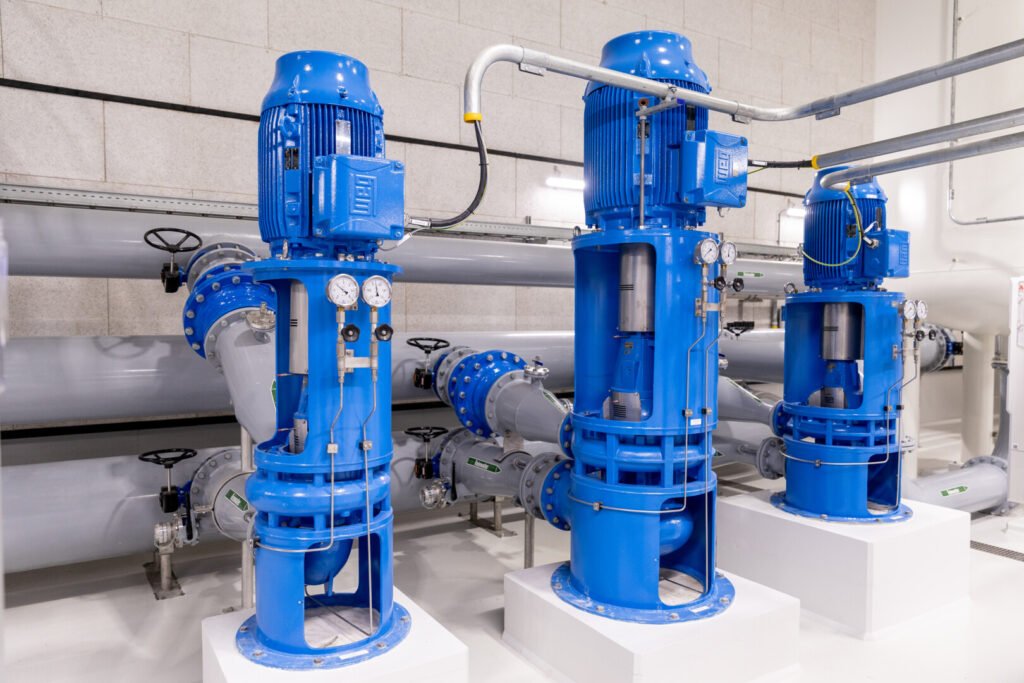
In many homes, especially those using wells, storage tanks, or larger water distribution systems, water pumps are the workhorses behind consistent water flow. Their job sounds simple: move water from one place to another. In reality, pump performance depends on several factors, including water pressure, pipe size, elevation, demand, and the condition of the equipment.
A pump that’s too small may struggle to meet household demand. One that’s oversized can waste energy and put unnecessary strain on the system. And when a pump begins making unusual sounds, cycling too often, or delivering inconsistent pressure, ignoring the warning signs usually isn’t a great idea.
Routine inspections can catch problems before they become expensive repairs. Homeowners should also pay attention to sudden changes. If the shower pressure drops while other fixtures are running, for instance, the problem may not be the shower itself. It could point to a pressure tank, pump, valve, or plumbing issue somewhere upstream.
Choosing the Right Water System Products
Modern homes have access to a surprisingly wide range of water system products, from pressure tanks and filtration units to softeners, pumps, storage solutions, drinking-water systems, and replacement components.
The challenge isn’t finding equipment. It’s choosing equipment that actually matches the home’s water conditions.
That distinction matters. A filtration system designed for sediment may not address dissolved minerals. A softener is intended primarily to reduce hardness, not solve every possible water-quality concern. Likewise, a pump selected without considering household demand may deliver disappointing results even if it’s technically well made.
Before buying anything, it helps to understand what’s happening with the water. Is the issue pressure? Taste? Odor? Hardness? Sediment? Staining? Or simply an aging piece of equipment? A basic water test and a review of the existing plumbing setup can provide useful answers.
It’s tempting to buy the biggest or most advanced system available. But bigger isn’t automatically better. The right solution is usually the one that fits the household, the water source, and the actual problem.
Water Quality Begins With Knowing What’s in the Water
Clean-looking water isn’t necessarily problem-free water. Some contaminants are invisible, and certain issues can’t be identified by taste or smell alone. That’s why testing is an important first step when water quality becomes a concern.
Depending on the water source and location, testing may look at hardness, pH, minerals, bacteria, metals, or other contaminants. Municipal water and private well water can also present very different challenges.
For households using private wells, regular testing is particularly valuable because groundwater conditions can change over time. Heavy rainfall, nearby land activity, aging well components, or changes underground may influence water quality.
This is where water treatment becomes more than simply installing a filter under the sink. Effective treatment starts with identifying the problem and then choosing technology designed to address it. Depending on the results, that might mean sediment filtration, activated carbon, water softening, reverse osmosis, disinfection, or a combination of approaches.
Don’t Ignore Pressure Problems
Water pressure is easy to take for granted until it disappears.
Low pressure can make showers frustrating, slow down appliances, and affect several fixtures at once. High pressure, on the other hand, can put excessive stress on pipes, fixtures, and appliances. Neither situation is ideal.
Sometimes the cause is surprisingly simple. A clogged filter, partially closed valve, failing pressure regulator, or mineral buildup can restrict flow. In other cases, the issue may involve the pump or pressure tank.
A useful habit is to notice when the problem happens. Is pressure low everywhere or just at one faucet? Does it happen only when multiple fixtures are being used? Does pressure fluctuate rapidly? Those details can help narrow down the cause.
If pressure suddenly changes throughout the home, it’s worth investigating rather than assuming the issue will disappear on its own.
Maintenance Is Cheaper Than Emergency Repairs
Nobody gets excited about routine maintenance. Still, it tends to be much less painful than dealing with a flooded utility room on a Sunday evening.
Simple maintenance can include checking visible connections for leaks, replacing filters according to manufacturer guidance, inspecting tanks and valves, and keeping equipment areas clean and accessible. Homeowners should also keep an eye out for rust, unusual noises, water pooling, or unexplained increases in water usage.
Professional inspections can be helpful for equipment that is difficult to assess without specialist knowledge. A technician can evaluate pump performance, electrical components, pressure settings, filtration equipment, and other parts of the system.
The goal isn’t to repair everything before it breaks. It’s to spot the small warning signs that often come first.
When DIY Stops Making Sense
There are plenty of water-system tasks homeowners can handle themselves. Replacing an accessible filter or checking for a loose connection may be straightforward.
But some jobs carry real risks. Electrical pump components, pressurized tanks, complicated plumbing connections, and treatment equipment can cause damage or injury if handled incorrectly.
There’s also another issue: a quick repair might hide the underlying problem. Replacing a component without finding out why it failed can mean the same problem returns a few weeks later.
When you’re unsure, professional advice is usually money well spent. A good technician won’t just replace a part; they should explain what failed, why it happened, and what can be done to prevent a repeat.
Building a More Reliable Water System
A dependable household water system isn’t necessarily the most complicated one. It’s the system that has been properly sized, maintained, tested, and matched to the home’s needs.
Start with the basics. Understand your water source. Test the water when necessary. Keep filters and equipment maintained. Pay attention to changes in pressure, taste, sound, and flow. And don’t wait until a minor problem becomes a major leak before taking action.
Water is essential, but managing it well doesn’t have to be mysterious. With the right equipment and a little attention, most homeowners can enjoy better performance, fewer surprises, and cleaner, more dependable water for years to come.