A heating and cooling system does not always need a dramatic breakdown to ask for attention. Sometimes it’s much quieter than that. One bedroom feels stuffy. The AC runs a little longer than it used to. The heat comes on, shuts off, then comes back again five minutes later. Nothing feels broken exactly, but the house doesn’t feel as comfortable as it should.
That’s usually how HVAC problems begin. Not with a bang, but with little hints. And the funny thing is, some of the most common comfort problems come from simple things homeowners can notice early. Not always fix completely, but at least understand before calling for help.
Start With the Filter
If there is one basic task that makes a real difference, it’s air filter replacement. A dirty filter can block airflow, make the system work harder, and allow more dust to move around the home. It can also lead to uneven temperatures because the equipment is struggling to push air where it needs to go.
How often a filter needs changing depends on the home. Pets, dust, heavy system use, nearby construction, and allergies can all make filters clog faster. Some homes may need a new filter every month, while others can go longer. The best habit is simple: check it regularly instead of waiting until the system starts complaining.
When Airflow Feels Weak
Weak airflow is one of those problems people often live with for too long. Maybe the living room gets plenty of air, but the back bedroom barely feels anything. Or one vent blows strongly while another feels almost asleep. These airflow issues can come from several places: clogged filters, blocked vents, leaky ducts, dirty coils, a weak blower motor, or poor system design.
It’s tempting to close vents in unused rooms, thinking it will push more air elsewhere, but that can sometimes create extra pressure in the ductwork and make the system less efficient. A better approach is to keep vents open, move furniture away from registers, and have the system checked if the imbalance continues.
The Thermostat Isn’t Always Innocent
Many comfort complaints start at the wall. Incorrect thermostat settings can make a good HVAC system seem unreliable. The mode may be set wrong, the fan may be left on continuously, or the schedule may not match the household’s routine. Smart thermostats are useful, but they can also cause confusion if the programming is not set up properly.
Placement matters too. A thermostat installed near sunlight, electronics, kitchens, doors, or drafty areas may read the temperature inaccurately. If it thinks the room is warmer or cooler than it really is, the whole system responds to the wrong information.
Listen for Changes
Your HVAC system has a normal sound. Most homeowners know it without thinking. So when something changes — a rattle, buzz, squeal, clicking sound, or louder-than-usual startup — it’s worth paying attention.
Not every noise means a major repair, but unusual sounds can point to loose parts, worn belts, motor trouble, electrical issues, or debris near the outdoor unit. Ignoring the sound may allow a small repair to become more serious. It’s a little like hearing a strange noise from your car and turning the radio up. Understandable, yes. Smart, not really.
Don’t Overlook the Outdoor Unit
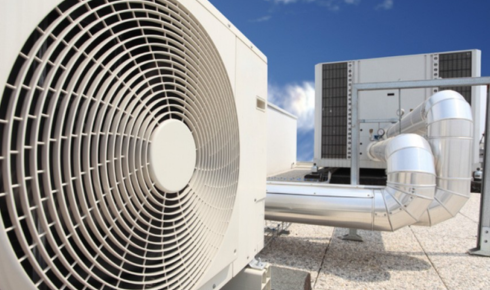
The outdoor AC unit works hard, especially during hot weather. Leaves, dirt, grass clippings, weeds, and debris can collect around it and limit airflow. When that happens, the system has to work harder to release heat from the home.
Keeping the area around the unit clear is a simple habit. Give it breathing room. Avoid stacking items nearby, and be careful when mowing or trimming grass around it. The unit doesn’t need to look pretty, but it does need space to function properly.
Uneven Temperatures Can Have More Than One Cause
If one part of the home always feels different, the HVAC system may not be the only issue. Insulation, windows, sun exposure, duct layout, and room location all affect comfort. Upstairs rooms often get warmer. Rooms over garages may feel colder in winter. Large windows can change the feel of a space throughout the day.
That’s why a good technician looks at the whole picture instead of blaming one part immediately. Sometimes the fix is mechanical. Sometimes it’s airflow balancing. Sometimes it’s sealing ducts or improving insulation.
Maintenance Keeps Small Problems Small
Seasonal HVAC maintenance is not exciting, but it is useful. During a tune-up, a technician can clean important parts, test electrical connections, check system performance, inspect coils, look at refrigerant levels, and make sure the equipment is operating safely.
This kind of care helps prevent surprise breakdowns. It also helps the system run more efficiently, which can reduce wear and keep utility bills from creeping up without explanation.
Comfort Comes From Paying Attention
A comfortable home is built from small things working together. Clean filters. Clear vents. Sensible thermostat use. Good airflow. Equipment that is inspected before it’s pushed too hard by extreme weather.
You don’t have to become an HVAC expert to take better care of your system. Just notice what feels different, handle the easy basics, and call a professional when the problem keeps coming back. Most comfort issues are easier to deal with early — before the house feels wrong, the bill gets weird, or the system decides it has had enough.