
Water is easy to take for granted when it arrives with a simple turn of the tap. It fills the kettle, runs through the shower, rinses dishes, waters the garden, and keeps daily life moving without much thought. But when dry weather stretches on, reservoirs drop, or local restrictions appear, that same water suddenly feels more valuable.
That is why water conservation is not just an environmental phrase. It is a practical habit that helps households, communities, and future water supplies stay more secure.
Why Every Drop Has a Story
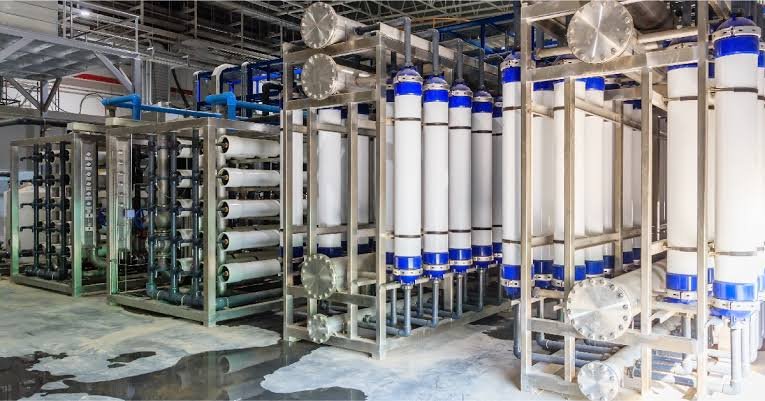
Before water reaches a home, it has already been collected, treated, pumped, stored, and delivered. That process uses energy, infrastructure, and planning. Wasting water means wasting more than the liquid itself.
A running toilet, a dripping tap, or sprinklers watering the pavement may not seem dramatic. But small waste repeated across thousands of homes becomes a real problem. Fixing leaks and using water more carefully helps reduce pressure on local systems.
Drought Makes the Issue More Personal
During drought conditions, water habits become much harder to ignore. Lawns turn brown. Wells may drop. Cities may limit outdoor watering. Farmers, businesses, and homeowners all start competing more carefully for the same limited resource.
Drought does not only mean less rain. It can also mean hotter days, drier soil, slower groundwater recharge, and greater demand. That is why preparation matters before shortages become serious.
Simple Changes Inside the Home
Most homes can reduce water use without making life uncomfortable. Shorter showers help. Full laundry loads help. Turning off the tap while brushing teeth helps. Efficient toilets, showerheads, washing machines, and faucets can reduce daily use without much effort.
The best changes are usually the ones people barely notice after a week. They simply become normal.
Outdoor Water Use Matters Too
Gardens and lawns can use a surprising amount of water. Watering early in the morning, using mulch, choosing native plants, and fixing broken sprinkler heads can make a big difference.
A beautiful yard does not have to fight the local climate. Drought-tolerant landscaping can still look warm, green, and cared for, without needing constant irrigation.
Building Better Long-Term Habits
True sustainable water use means thinking beyond one dry season. It means choosing fixtures, landscaping, appliances, and habits that make sense year after year.
Families do not need to live in fear of every drop. They just need to stop treating water like it is endless. A little attention goes a long way.
A Smarter Way to Live with Water
Water supports almost everything at home, from cooking to cleaning to comfort. Using it wisely is not about sacrifice as much as respect.
When households fix leaks, water outdoors carefully, and choose efficient systems, they help protect a resource everyone depends on. And honestly, that is a small responsibility worth taking seriously.