Most people don’t think about what’s floating through their home’s water until something feels off. A cloudy glass. A gritty bit at the bottom of the sink. Brownish water after heavy rain. Maybe the washing machine starts leaving tiny specks on clean clothes, which is especially irritating because, well, the clothes were supposed to come out cleaner.
Water has a way of looking simple while carrying a whole lot more than we realise. It moves through soil, pipes, storage tanks, fixtures, and sometimes old plumbing before it reaches the tap. Along the way, it can pick up minerals, sand, rust flakes, silt, and other particles that aren’t exactly welcome in a glass of drinking water or inside an expensive appliance.
When Clear Water Isn’t Really Clear
Here’s the slightly annoying truth: water can look clean and still contain fine particles. Larger bits of sand or dirt are easy to spot, but smaller sediment can pass through unnoticed until it begins causing trouble. You may see buildup around faucets, cloudy ice cubes, dull laundry, or reduced water pressure over time.
For homeowners on private wells, sediment is especially common. Rain, shifting soil, pump activity, or changes underground can stir up particles. Municipal water users can also see sediment occasionally, especially after water main repairs or pipe disturbances. It doesn’t always mean something dangerous is happening, but it does mean the water deserves attention.
A little grit today may not seem like much. But if it keeps showing up, your plumbing and appliances may be dealing with the same problem every single day.
Why Sediment Matters Around the House
Sediment is not just a visual nuisance. Tiny particles can collect inside valves, clog aerators, reduce appliance performance, and make water-using equipment work harder. Water heaters, dishwashers, washing machines, coffee makers, and refrigerator dispensers can all feel the effects.
This is where water filtration becomes more than a nice extra. It helps protect the home from unwanted particles while improving the feel, taste, and usefulness of everyday water. A proper system can reduce visible debris and support better performance from other treatment equipment too.
Of course, not every filter does the same job. Some are designed for taste and odour. Some target minerals. Some remove particles. Choosing the right one starts with understanding what is actually in the water.
The Role of Sediment Control
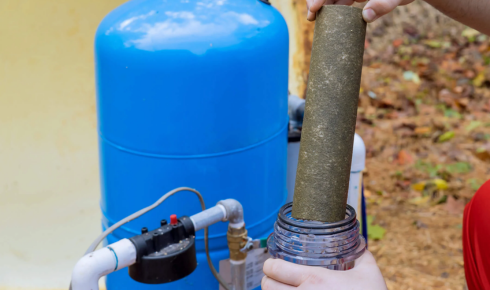
If your water has visible dirt, sand, rust, or cloudy particles, sediment filters are often the first line of defence. They are designed to trap physical particles before water moves deeper into the plumbing system or into other filters and appliances.
Think of them like a doormat for your water system. They don’t solve every water issue, but they catch a lot of the mess before it gets tracked through the rest of the house. This can be especially helpful for well water, older homes, or properties where water conditions change after storms or seasonal shifts.
Sediment filters come in different sizes and ratings. Some catch larger particles, while finer filters capture smaller material. The right choice depends on the type and amount of sediment present. Go too fine without planning properly, and the filter may clog quickly. Go too coarse, and smaller particles may still pass through.
Testing Before Guessing
A lot of people try to fix water problems by buying the first filter they see online. It’s understandable. Nobody wants to spend weeks researching when the tap water looks cloudy today. But guessing can lead to disappointment.
Testing gives you a clearer picture. It can help determine whether the issue is sediment, iron, hardness, manganese, pH imbalance, or something else. Sometimes what looks like dirt may actually be iron particles. Sometimes cloudiness is trapped air. Sometimes scale buildup gets mistaken for sediment.
Once the cause is known, the solution becomes much more practical. You can choose equipment based on facts, not frustration.
Better Water Supports Better Living
Good water quality affects more than drinking. It changes how your home functions. Cleaner water can help fixtures stay brighter, laundry feel fresher, showers feel better, and appliances last longer. It may also make cooking and coffee taste more consistent, which is one of those small daily pleasures people notice only after the water improves.
It also brings peace of mind. When you know what is in your water, you stop wondering why the sink keeps collecting grit or why filters clog so quickly. You can maintain the system properly and catch changes before they become bigger problems.
That sense of control matters. Water is used too often in a home to leave it completely to guesswork.
Maintenance Makes the Difference
Even a good filtration system needs care. Filters have a working life. Once they collect enough sediment, they need to be replaced or cleaned, depending on the system. Ignoring maintenance can reduce water pressure, strain equipment, and allow old problems to creep back in.
A simple schedule can help. Some homes need filter changes every few months. Others can go longer. Homes with heavy sediment may require more frequent attention. The water itself will usually tell you when something is wrong: pressure drops, cloudiness returns, or fixtures start showing buildup again.
It’s not glamorous, but maintenance is what keeps the whole setup doing its job.
A Practical Path Forward
If your water looks cloudy, gritty, rusty, or inconsistent, don’t brush it off as normal. Start by noticing when it happens. Is it after rain? Only from hot water? Only one faucet? Throughout the whole house? These details can help identify the source of the issue.
From there, get the water tested and choose treatment based on the results. A sediment filter may be enough in some cases. In others, it may need to be paired with softening, iron removal, carbon filtration, or another treatment method.
Water problems rarely fix themselves. But they also don’t have to become overwhelming. With the right testing, sensible equipment, and basic maintenance, your home’s water can become cleaner, clearer, and easier to trust.
And really, that’s the point. Water should not feel like a mystery every time you open the tap. It should simply do its job quietly, reliably, and without leaving a trail of grit behind.