There’s something satisfying about owning a home with its own water supply. You’re not entirely dependent on municipal infrastructure, and your well provides the water your family uses throughout the year. However, that independence comes with responsibilities. Unusual stains, metallic tastes, and changes in water appearance can leave homeowners wondering what’s happening beneath their property.
Arranging a comprehensive well water test panel is a sensible starting point for understanding groundwater conditions and identifying potential concerns before investing in treatment equipment.
For families throughout Cedar Rapids and Eastern Iowa, reliable testing can make the difference between purchasing equipment based on guesswork and finding a treatment arrangement that genuinely suits their home.
Why Well Water Deserves More Attention Than You Might Think
Groundwater travels through layers of soil and rock before reaching your well. Along the way, it can absorb naturally occurring minerals and encounter substances associated with surrounding land use.
Iron, manganese, calcium, and magnesium may influence water appearance, taste, and household maintenance requirements. Other contaminants, including bacteria and nitrate, can be present without producing noticeable changes.
Even a well that’s provided pleasant-tasting water for decades can experience changing conditions.
Heavy rainfall, flooding, deteriorating well components, and nearby environmental activities may influence groundwater quality.
This is why periodic testing matters. Rather than waiting until something looks or smells unusual, homeowners can establish a clearer understanding of their water through regular assessments.
Finding the Right Combination of Filtration and Conditioning
There’s no universal treatment arrangement that works perfectly for every private well. One property might struggle with iron staining, while another experiences excessive hardness or acidic water.
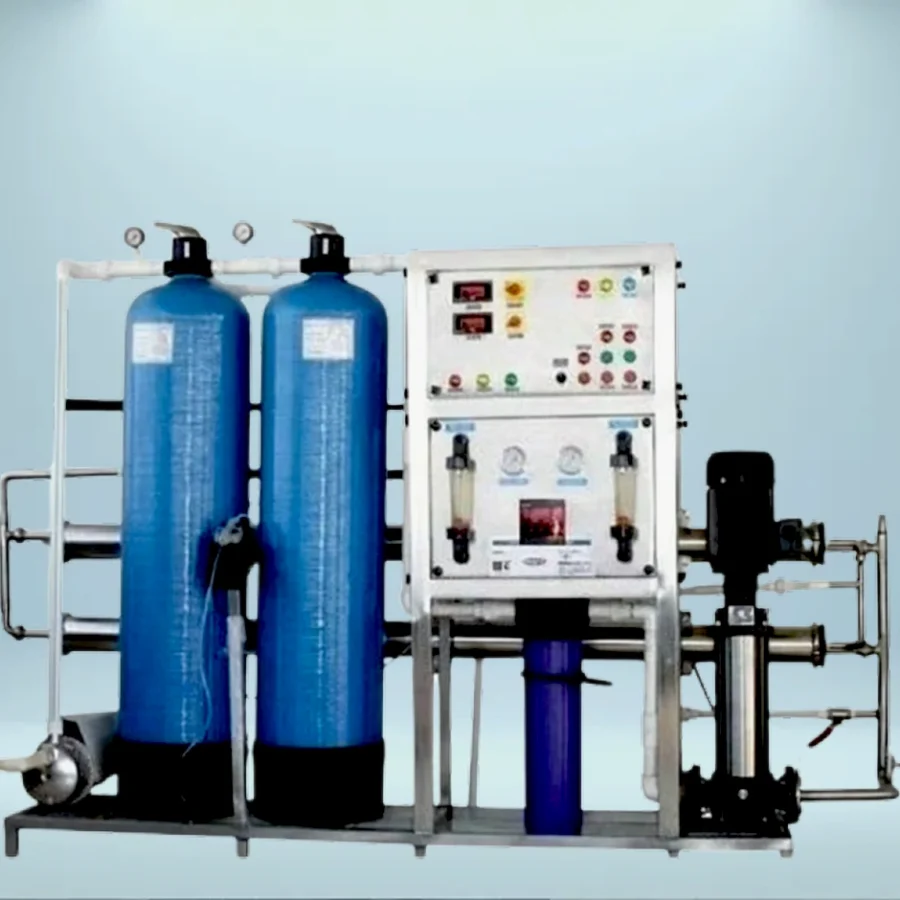
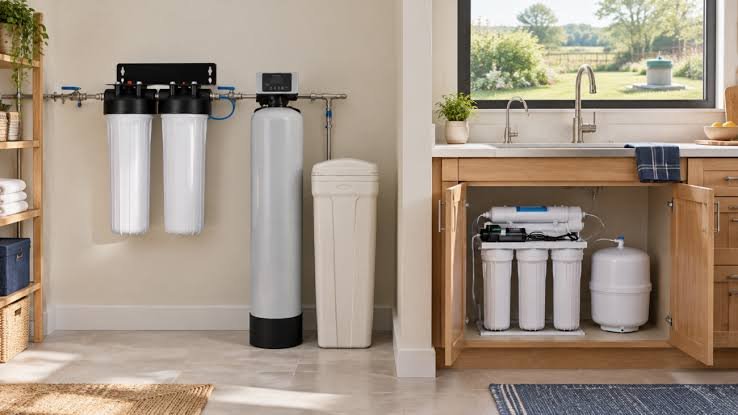
Effective well water filtration and conditioning involves selecting complementary technologies based on laboratory results, household consumption, and specific treatment objectives.
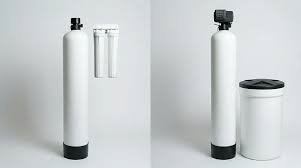
Sediment filters capture suspended particles, while specialized filtration media can address certain dissolved minerals. Conventional water softeners reduce calcium and magnesium, helping limit new hardness-related deposits.
Additional treatment may be necessary when testing identifies microbial or chemical contamination.
A coordinated system can address several concerns without introducing unnecessary equipment.
The important thing is understanding why each treatment component is included and how it contributes to the overall performance of your household system.
Understanding Acidic Water and Its Effect on Plumbing
Have you noticed blue-green stains around your bathroom sink or copper plumbing connections? Although several factors can contribute to corrosion, acidic water may deserve investigation.
Appropriate pH neutralizing filtration can help raise the pH of acidic water using suitable neutralizing media, such as calcite, under appropriate operating conditions.
As water passes through the media, minerals dissolve gradually, helping reduce acidity. The process may also increase water hardness, which should be considered when planning additional treatment.
Water corrosivity depends on more than pH alone. Other chemical characteristics, including alkalinity and dissolved substances, can influence how water interacts with plumbing materials.
Reliable testing helps determine whether neutralization is necessary and which treatment method would be most suitable.
Recognizing the Warning Signs Around Your Home
Sometimes, your household provides useful clues about its water quality long before you arrange testing.
Orange stains around toilets may indicate iron, while dark deposits could be associated with manganese. Chalky white buildup often suggests excessive hardness.
Metallic flavors or unusual discoloration may also warrant further investigation.
Rather than immediately purchasing specialized cleaners, take note of where these changes appear and whether they occur consistently.
Is the problem noticeable only when using hot water? Does it affect every faucet or just one bathroom?
These observations can help a water treatment professional investigate possible causes, although laboratory testing remains essential for confirming what is actually present.
Protecting the Water Your Family Drinks
Much of the discussion surrounding groundwater focuses on visible stains and unpleasant odors. Understandably so, since these problems interfere with everyday routines.
However, drinking water safety deserves particular attention.
Private well owners should arrange annual testing for common concerns such as bacteria and nitrate, with additional assessments based on local conditions and professional guidance.
Depending on the findings, appropriate disinfection or specialized drinking water treatment may be necessary.
If harmful contamination is suspected, use a verified safe alternative for drinking and cooking until corrective measures and follow-up testing confirm safety.
Pleasant-tasting water is certainly desirable, but having reliable information about its safety is considerably more important.
Making Treatment Equipment Easier to Maintain
Installing several treatment components might sound complicated, but a thoughtfully designed arrangement can make routine maintenance manageable.
When consulting a provider such as Waterhouse Water Systems, ask about media replenishment, filter replacements, backwashing requirements, and ongoing servicing expenses.
Neutralizing media gradually dissolves and requires replenishment. Sediment cartridges can become clogged, while water softeners require regenerating salt.
Understanding these responsibilities before installation helps prevent unexpected maintenance costs.
Keep previous laboratory reports alongside servicing records. Comparing results over time can reveal changes in groundwater conditions or treatment performance.
A little organization goes a long way, particularly when your household depends entirely on its own water supply.
Looking After Your Well for the Years Ahead
For homeowners throughout Cedar Rapids and Eastern Iowa, caring for a private well is an important part of maintaining a comfortable, dependable home.
Reliable testing, carefully selected treatment, and regular maintenance can help address groundwater concerns without relying on unnecessary guesswork.
The benefits may become noticeable in ordinary moments: fewer new stains around bathroom fixtures, more pleasant-tasting water, or greater confidence when preparing meals for your family.
Your well is a resource that deserves thoughtful care. Understanding its water quality today can help you make better decisions tomorrow, protecting the everyday comforts that make your house feel like home.