Water is one of those everyday things that quietly holds a home or business together. You use it to drink, cook, clean, wash, heat, cool, rinse, steam, brew, and sometimes run equipment that nobody thinks about until it stops working properly. When the water is good, it disappears into the background. When it is not, it becomes annoying very quickly.
A glass tastes odd. Towels feel rough. Ice has a faint smell. Dishes come out spotted. A machine needs service again. These may seem like separate problems, but often they all point back to the same thing: water that is not quite suited to the job.
That is why water treatment should not be treated like a one-size-fits-all purchase. Different properties need different answers.
Why Homes Need Practical Water Help
For families, water quality affects comfort more than most people realize. Hard water can leave scale on faucets and shower doors. Chlorine can affect taste and smell. Iron can stain sinks, tubs, and laundry. Sediment can make water look cloudy or clog small screens and filters.
Good residential water solutions are designed around daily life. That may mean softer laundry, cleaner dishes, better-tasting drinking water, fresher showers, or fewer stains around the bathroom. The goal is not fancy equipment for its own sake. It is water that makes the home easier to live in.
A home system might include filtration, softening, conditioning, reverse osmosis at the kitchen sink, or a combination depending on the water test. The right setup starts with understanding what the home actually needs.
Businesses Have a Different Water Burden
In a business, water problems can affect more than comfort. They can affect operations, service quality, equipment life, and customer experience.
A restaurant needs water for ice, coffee, cooking, dishwashing, steam equipment, and cleaning. A hotel needs it for guest rooms, laundry, kitchens, and mechanical systems. A salon depends on water for washing and rinsing. A laundromat, car wash, medical office, or manufacturing facility may have even more specific demands.
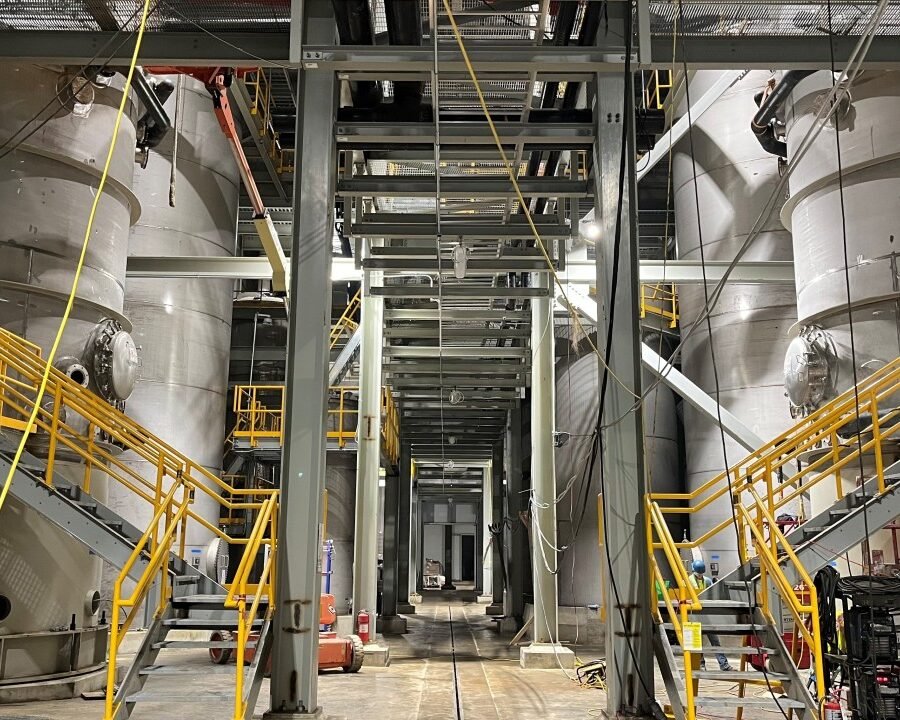
That is where commercial water treatment becomes important. Commercial systems must be sized for higher usage, peak flow, and equipment requirements. A small undersized unit may work fine for a house but fail quickly in a busy business.
Good commercial treatment can help reduce scale, improve consistency, support cleaning results, and protect equipment from avoidable wear.
Testing Comes Before the System
Whether it is a home, business, or specialized facility, the smartest first step is water testing. Guessing from symptoms alone can lead to the wrong equipment.
Cloudy water may come from sediment, air, hardness minerals, or something else. A strange taste may be chlorine, dissolved solids, sulfur, old plumbing, or well water conditions. Stains may point to iron, manganese, corrosion, or hardness.
Testing can check hardness, pH, chlorine, iron, total dissolved solids, sediment, odor concerns, and other factors. For wells or sensitive uses, lab testing may be needed for bacteria, nitrates, lead, arsenic, or other contaminants.
Once the water is understood, the solution becomes much clearer.
Some Uses Need Extra Precision
Not every water need is basic. Certain industries and properties require water treatment that goes beyond everyday comfort or taste.
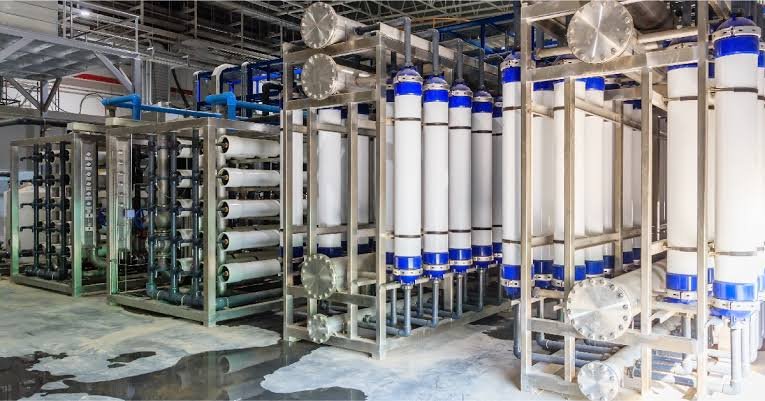
These specialty applications may include laboratories, healthcare settings, food service equipment, manufacturing processes, breweries, humidification systems, boiler feed water, cooling towers, or high-quality rinse systems. In these situations, water quality can directly affect product results, equipment performance, safety standards, or operational reliability.
A simple filter may not be enough. The system may need reverse osmosis, deionization, UV disinfection, carbon filtration, softening, pre-treatment, or monitoring. The design must match the exact use, not just the general water source.
One System Does Not Solve Everything
Water treatment technologies each have a job. A softener helps reduce hardness. Carbon filtration can reduce certain tastes and odors. Sediment filters catch particles. Reverse osmosis can improve drinking water or process water. UV may be used for disinfection. Specialty media can target iron, sulfur, or other concerns.
The mistake is expecting one product to do everything. A drinking water filter will not protect a water heater. A softener will not remove every contaminant. A sediment filter will not fix dissolved mineral problems.
Many properties benefit from a layered design, where each stage supports the next. The order matters, too. Sediment often needs to be reduced before more sensitive equipment. Softening may be needed before certain systems. Carbon may be used before reverse osmosis, depending on the water.
Good Design Should Feel Simple
The equipment may be technical, but the experience should not feel confusing. A good water treatment provider should explain what the water test shows, what each system does, and why a certain setup is recommended.
For homeowners, that means knowing how the system will improve daily routines. For business owners, it means understanding how treatment supports equipment, cleaning, taste, consistency, or compliance needs. For specialty users, it means confidence that the system can meet the required water quality.
The right design is not always the biggest system. It is the system that fits.
Installation and Maintenance Matter
Even the best equipment can struggle if it is installed poorly or ignored after installation. Flow rates, pressure, drain access, plumbing layout, bypass valves, and equipment order all affect performance.
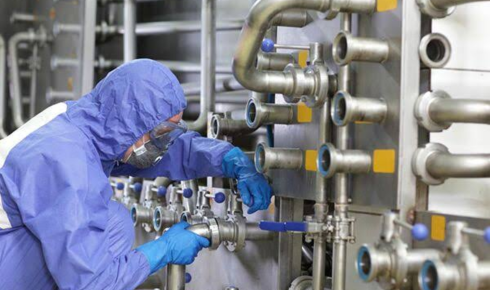
Maintenance matters as well. Filters need replacement. Softeners need salt. RO systems need cartridges and membranes changed. UV lamps need scheduled service. Commercial and specialty systems may require more structured maintenance to avoid downtime.
A dependable water solution should include a realistic service plan from the beginning. That keeps water quality consistent and prevents small issues from becoming expensive problems.
Better Water Supports Better Living and Working
Good water treatment is not really about tanks, filters, or valves. It is about what better water allows people to do.
At home, it means cleaner showers, nicer laundry, better coffee, and less scrubbing. In a business, it means clearer ice, cleaner dishes, reliable equipment, and smoother daily operations. In specialty settings, it means water that meets the demands of the process.
Water touches more of life than most people notice. When it is treated properly, everything feels a little easier, a little cleaner, and a little more dependable.
In the end, the best water solution is the one built around real use. Not generic promises. Not guesswork. Just tested water, thoughtful design, proper installation, and support that keeps it working.