For many homeowners, water systems are easy to forget because they work quietly in the background. There is no daily reminder that filters are collecting impurities or that internal components are slowly wearing down. Everything seems fine — until the water tastes different, pressure drops, or the system suddenly stops working the way it should.
The reality is simple: even the most reliable equipment needs attention. A water treatment system is a long-term investment, and taking care of it helps protect that investment while ensuring your home continues receiving better-quality water.
Regular care is not about waiting for problems to appear. It’s about staying ahead of them. A little planning today can prevent stressful situations tomorrow.
The Importance of Preventive Water System Care
Many people only think about maintenance when something goes wrong. A filter becomes clogged, water quality changes, or a warning signal appears. By that point, the system may already have been struggling for some time.
Preventive care works differently. Instead of reacting to problems, homeowners can address small concerns before they become expensive repairs.
A scheduled maintenance appointment allows professionals to inspect the system, evaluate performance, and make necessary adjustments. These visits provide an opportunity to catch early signs of wear that may not be obvious during everyday use.
Just like regular oil changes help a vehicle run smoothly, routine water system care helps equipment continue operating efficiently.
What Happens During a Professional Maintenance Visit
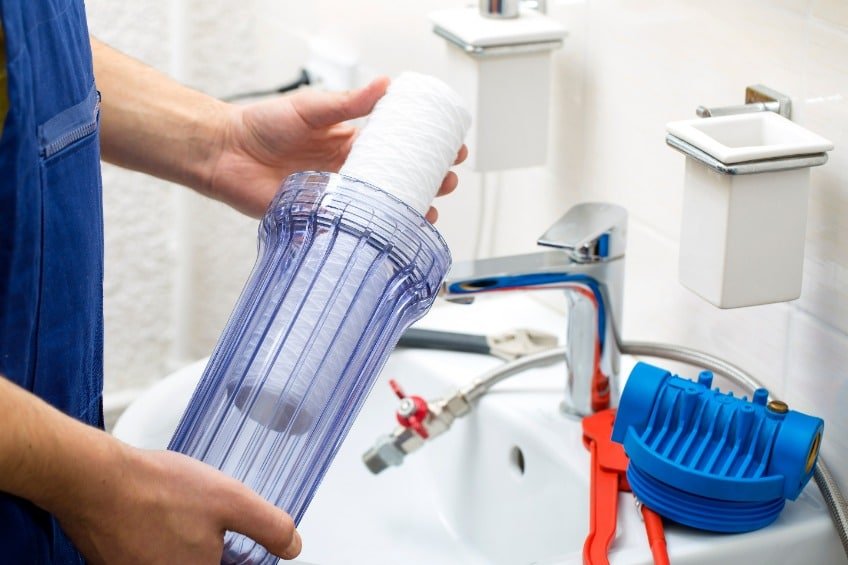
A maintenance visit is more than simply checking whether the system turns on. A trained technician looks at multiple parts of the equipment to make sure everything is functioning correctly.
The process may include inspecting filters, checking connections, testing water quality, reviewing settings, and identifying components that may need attention.
Professionals can also answer questions homeowners often have but may not know where to ask. For example, is the system still suitable for the household’s current water usage? Are there signs that certain parts should be replaced soon?
These conversations are valuable because they help homeowners make informed decisions rather than waiting until something fails.
Building a Maintenance Plan That Fits Your Home
Every household uses water differently. A family with several members may put more demand on a system than a smaller household. Water quality issues can also vary depending on location, supply source, and seasonal changes.
That’s why customized maintenance plans can be helpful. Instead of following a one-size-fits-all schedule, homeowners can create a routine based on their specific system and needs.
A good plan may include regular inspections, filter replacement schedules, performance checks, and recommendations for future upgrades.
The benefit is convenience. Homeowners don’t have to remember every detail or guess when service is needed. The maintenance schedule becomes part of normal home care.
Protecting Your System’s Long-Term Value
Water treatment equipment is designed to provide benefits for many years, but neglect can shorten its useful life. Small issues that go unnoticed can place extra stress on important components.
For example, a filter that should have been replaced months ago may force the system to work harder. A small leak may eventually damage surrounding areas. A minor performance issue can slowly become a major repair.
Regular care protects both the equipment and your budget. It helps avoid unexpected expenses and ensures that you get the full value from your investment.
Homeowners often spend time maintaining their vehicles, appliances, and other household systems. Water equipment deserves the same level of attention.
Signs That Your System Needs Professional Attention
Sometimes a system provides clear warning signs. Changes in water quality are often the first clue.
Homeowners should watch for:
- Strange tastes or odors
- Cloudy water appearance
- Lower water pressure
- Increased mineral buildup
- Frequent filter changes
- Unusual system noises
These issues do not always mean the system has a major problem, but they should not be ignored.
Another common mistake is assuming that because water is still flowing, the system is working properly. Flow alone does not always indicate good performance. A system can operate while becoming less effective over time.
How Maintenance Improves System Performance
The purpose of maintenance is not only to prevent breakdowns. It is also about keeping the equipment operating efficiently.
Proper service supports better system performance by ensuring components are clean, settings are accurate, and worn parts are replaced when needed.
When a system performs well, homeowners can enjoy more consistent water quality and fewer interruptions. It also reduces unnecessary strain on the equipment, which may help extend its lifespan.
A properly maintained system works quietly in the background — exactly how most homeowners want it to.
Making Water Care Part of Your Home Routine
Many household responsibilities already have a schedule. Air filters are changed, appliances are serviced, and vehicles receive regular checkups. Adding water system care to that routine is a smart decision.
Simple habits can make maintenance easier. Keep records of service dates, follow replacement recommendations, and pay attention to changes in water quality.
Working with a trusted professional can also remove much of the guesswork. They can provide guidance based on your specific equipment and household requirements.
Final Thoughts
A water system is one of the most important parts of a comfortable home, but it needs proper care to continue delivering reliable results. Waiting until problems appear often leads to unnecessary stress and higher costs.
By scheduling routine service, following a suitable maintenance plan, and paying attention to system changes, homeowners can enjoy better water quality and longer equipment life.
The best maintenance strategy is simple: take care of your system before it asks for help. A little attention today can keep your water solution working smoothly for years ahead.