Most people don’t think about the pipes behind the walls or under the yard. Fair enough, really. Plumbing is one of those things we expect to work quietly in the background. You turn on the kitchen tap, fill a glass, start the washing machine, take a shower, and move on with your day. Nobody pauses to thank the pipes. Not until something goes wrong.
And when it does go wrong, it can feel surprisingly personal. A weak shower in the morning. A damp patch near the foundation. A strange noise when the tap shuts off. Water that looks a little rusty for a few seconds. These are small signs, but they have a way of making a homeowner uneasy. Because water, once it starts escaping where it shouldn’t, rarely stays polite.
The truth is, the plumbing that delivers clean water into a home is just as important as the fixtures we actually see. Maybe more important. It is the quiet foundation of comfort, cleanliness, and daily routine.
Why Supply Lines Matter More Than They Get Credit For
Every home depends on water supply lines to move clean water from the main source to sinks, showers, toilets, appliances, and outdoor taps. These lines may not be visible, but they are constantly working. Day after day, they handle pressure, temperature changes, mineral content, soil movement, and normal wear.
When supply lines are healthy, water flows steadily and fixtures behave the way they should. But when they begin to weaken, problems can show up in all kinds of ways. Low pressure, dripping, discoloration, water stains, or an unexplained rise in the monthly bill can all point toward trouble somewhere in the system.
The tricky part is that supply line damage is not always dramatic at first. A slow leak behind a wall may quietly damage drywall, flooring, insulation, or framing before anyone notices. A small underground crack may waste water for weeks. That’s why paying attention to early signs really matters.
The Warning Signs Homeowners Often Miss
Plumbing problems rarely arrive with a neat little note explaining what’s happening. They hint. They tap you on the shoulder. Sometimes they whisper for a while before they shout.
One of the most common signs is reduced water pressure. If one faucet is weak, it may be a fixture issue. If several fixtures lose pressure at the same time, the problem could be deeper. Another warning sign is water that looks cloudy, rusty, or carries bits of sediment. That does not always mean a major emergency, but it should not be ignored either.
Wet spots in the yard, moldy smells indoors, cracking pavement, or unusually green patches of grass can also suggest a leak below the surface. And then there is the water bill. If usage has not changed but the bill suddenly jumps, something may be leaking quietly.
Repairs Are Best When They Start Early
Nobody loves calling a plumber. It is easy to delay it, especially when the issue seems minor. Maybe the pressure will improve. Maybe the stain is old. Maybe that damp patch is from rain. Sometimes, sure. But waiting too long can turn a manageable problem into a costly one.
Professional plumbing repairs are most effective when the issue is found early and handled properly. A trained plumber can test pressure, inspect visible lines, locate leaks, and determine whether the problem is isolated or part of a larger system concern. That distinction matters.
A small section of damaged pipe may be repairable. A worn valve may need replacing. A loose connection may be tightened or sealed. But if the pipes are old, corroded, or failing in several places, repeated patchwork may not be the smartest long-term answer. A good plumber should explain the options clearly, without making the homeowner feel rushed or confused.
What Happens Below the Surface
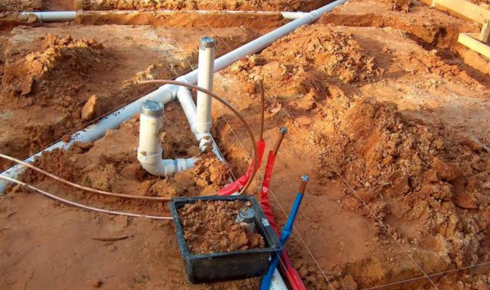
Some of the most important plumbing in a property is buried outside the home. It may run under lawns, driveways, sidewalks, landscaping, or foundation areas. Because it is hidden, problems can be harder to spot and sometimes harder to access.
Older underground piping can be affected by shifting soil, tree roots, corrosion, freezing conditions, poor installation, or natural aging. Even modern materials can run into trouble if the ground moves or the pipe was not installed correctly. Once a leak begins underground, water may travel in unexpected directions, making the source difficult to locate without proper equipment.
That is why guessing is risky. Digging in the wrong place wastes time and money. Leak detection tools, inspection methods, and experience with local soil conditions can make a big difference in finding the actual problem before repair work begins.
Repair, Replace, or Upgrade?
This is the question homeowners usually ask once a problem is confirmed. The answer depends on the pipe material, age, damage level, water pressure, property layout, and cost of repair compared with replacement.
If the pipe is relatively new and damage is limited to one area, repair may be enough. But if the system has repeated leaks, poor water quality, or outdated materials, replacement may be the more sensible choice. It can feel like a bigger project upfront, but it may prevent ongoing service calls and hidden damage.
Modern plumbing materials are often more durable and efficient than older systems. In some cases, trenchless methods may also reduce digging and disruption. Not every home qualifies for those options, but they are worth asking about, especially when landscaping or pavement is involved.
Good Plumbing Protects More Than Water Flow
A reliable plumbing system protects the entire home. It helps prevent water damage, keeps appliances working properly, supports healthy sanitation, and makes daily life easier. It also gives homeowners peace of mind, which is not a small thing.
Think about how many daily routines depend on steady water: brushing teeth, brewing coffee, washing dishes, bathing children, watering plants, cleaning floors, doing laundry. When the system works, these moments feel ordinary. When it fails, the ordinary suddenly becomes inconvenient, stressful, and sometimes expensive.
A Little Attention Saves a Lot of Trouble
Homeowners do not need to become plumbing experts. But they should know what feels normal in their own homes. How strong the pressure usually is. How quickly water clears. Where the main shutoff valve is. Whether the yard has unusual wet spots. These simple observations can help catch problems sooner.
It is also wise to schedule inspections when buying an older home, remodeling, or noticing repeated plumbing issues. A professional look can reveal problems before they become emergencies.
In the end, good plumbing is not about fancy fixtures or shiny taps. It is about the hidden system that keeps clean water moving safely and reliably. The pipes may be out of sight, but their work shows up everywhere — in every shower, every sink, every load of laundry, and every quiet moment when the home simply works the way it should.