The Hidden Impact of Water Quality on Daily Operations
Water is one of those things most people rarely think about until a problem appears. It flows from taps, supports manufacturing processes, keeps equipment running, and plays a role in countless daily activities. Yet the quality of that water can have a surprisingly large influence on operational performance, maintenance costs, and long-term reliability.
Whether in a residential setting, a commercial facility, or an industrial environment, untreated water can create challenges that slowly build over time. Hard minerals, sediment, chlorine, and other contaminants may not seem significant at first glance, but they often leave behind effects that become increasingly expensive to address.
Many organizations and property owners discover that investing in proper water treatment isn’t merely about cleaner water. It’s about creating a more efficient environment where systems operate as intended and unnecessary expenses are minimized.
Water Quality Affects More Than You Think
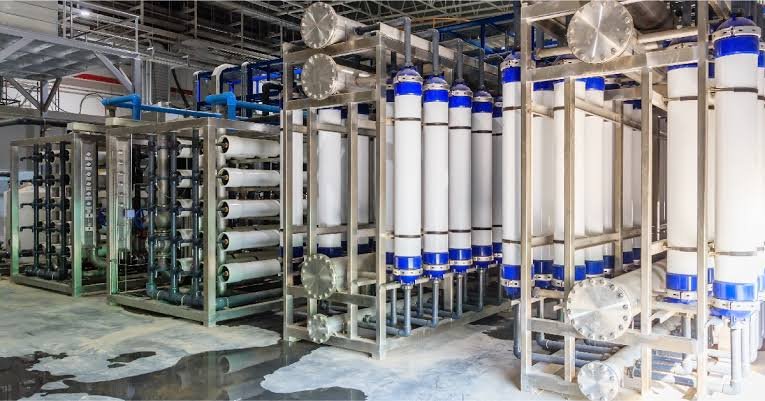
When people hear the phrase “water treatment,” they often think only about drinking water. In reality, water quality influences a wide range of systems and processes. Heating equipment, cooling units, plumbing networks, appliances, manufacturing machinery, and cleaning operations all rely on water in one form or another.
Over time, minerals and contaminants can accumulate inside pipes, valves, and equipment components. This gradual buildup often reduces performance without anyone noticing immediately. A machine that once worked perfectly may begin consuming more energy. A water heater may require additional effort to produce the same results. Small inefficiencies start adding up.
The challenge is that these issues usually develop slowly. Because the decline happens over months or years, it can be difficult to recognize how much performance has been lost.
Protecting Valuable Equipment
One of the strongest arguments for water treatment is equipment protection. Businesses and homeowners invest significant amounts of money in appliances, mechanical systems, and infrastructure. Protecting those investments should be a priority.
Mineral deposits can accumulate on internal surfaces and heating elements, forcing equipment to work harder than necessary. This extra strain may shorten operational life and increase the likelihood of breakdowns.
Think of it like driving a vehicle with dirty oil. The engine may continue running for a while, but unnecessary wear is occurring behind the scenes. Water-related scaling creates a similar effect in many systems.
When water quality is properly managed, equipment often experiences less stress and fewer interruptions. Components stay cleaner, maintenance becomes more predictable, and replacement cycles may be extended.
The Connection Between Water and Operational Efficiency
Efficiency isn’t always about major technological upgrades. Sometimes meaningful improvements come from addressing fundamental factors that affect performance every day.
Water quality is one of those factors. Poor-quality water can interfere with heat transfer, restrict flow rates, and reduce system effectiveness. Even small accumulations of scale can create noticeable performance losses over time.
Organizations that focus on efficiency improvement frequently discover that water treatment contributes to broader operational goals. Boilers may operate more effectively. Cooling systems may maintain better performance. Cleaning processes often require fewer resources when water quality is optimized.
These benefits can ripple throughout an entire facility. Employees spend less time dealing with preventable issues, maintenance teams can focus on strategic priorities, and overall productivity may increase.
Reducing Unexpected Maintenance Problems
No one enjoys surprise repairs. Unexpected equipment failures can disrupt schedules, frustrate employees, and create financial headaches.
Water-related issues are often responsible for maintenance calls that could have been prevented. Sediment accumulation, corrosion, mineral scaling, and contaminant buildup frequently contribute to system failures.
A proactive water management strategy helps identify potential problems before they become major concerns. Regular monitoring and treatment create a more stable operating environment where systems can function consistently.
There’s also something reassuring about predictability. When equipment performs reliably, planning becomes easier and operational disruptions become less common.
Long-Term Financial Benefits
While some people initially focus on the upfront cost of water treatment solutions, the broader financial picture tells a different story.
Lower maintenance expenses, reduced repair frequency, improved equipment longevity, and enhanced operational performance all contribute to measurable value. These benefits accumulate over time, often producing returns that significantly outweigh the original investment.
One of the most attractive outcomes is cost savings. Rather than repeatedly spending money on emergency repairs, replacement parts, or inefficient operations, organizations can allocate resources more strategically.
It’s a bit like maintaining a home before problems become serious. Replacing a worn seal today is often far less expensive than repairing extensive water damage later. The same principle applies to water treatment and system management.
Better Performance Across Multiple Applications
Water quality improvements rarely affect only one area. Instead, they tend to create benefits across multiple systems simultaneously.
For example, cleaner water may help plumbing systems operate more efficiently while also supporting better appliance performance. Manufacturing equipment may experience fewer interruptions, and cleaning processes may deliver more consistent results.
This interconnected advantage is one reason water treatment continues to gain attention across numerous industries. The impact extends beyond a single department or application. It influences the overall health of an operation.
In many cases, people notice practical improvements fairly quickly. Water may look cleaner, equipment may run more smoothly, and maintenance concerns may become less frequent.
Building a Sustainable Future Through Smarter Water Use
Sustainability isn’t just about environmental responsibility. It’s also about creating systems that remain effective and dependable for years to come.
Efficient water management supports sustainability by reducing waste, extending equipment life, and minimizing unnecessary resource consumption. When systems operate correctly, they often require less energy and fewer replacement components.
These improvements contribute to both environmental and financial goals. Organizations can reduce operational burdens while creating a more resilient infrastructure.
Final Thoughts
Water is easy to overlook because it’s always there. Yet the quality of that water plays a crucial role in determining how efficiently equipment operates, how often maintenance is required, and how much organizations ultimately spend on repairs and replacements.
Investing in proper water treatment is about more than solving immediate problems. It’s a long-term strategy focused on performance, reliability, and operational success. By prioritizing equipment protection, pursuing ongoing efficiency improvement, and creating meaningful cost savings, businesses and homeowners alike can build systems that perform better today and continue delivering value well into the future.